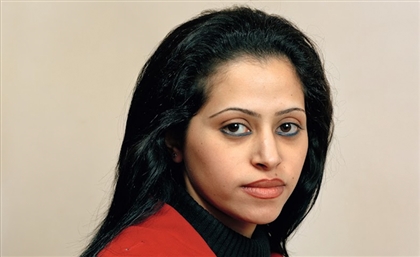






Cannes 2026 Review: ‘The Station’ Centres Women at the Margins of War
This is a war story told from the margins, the kind we rarely hear.

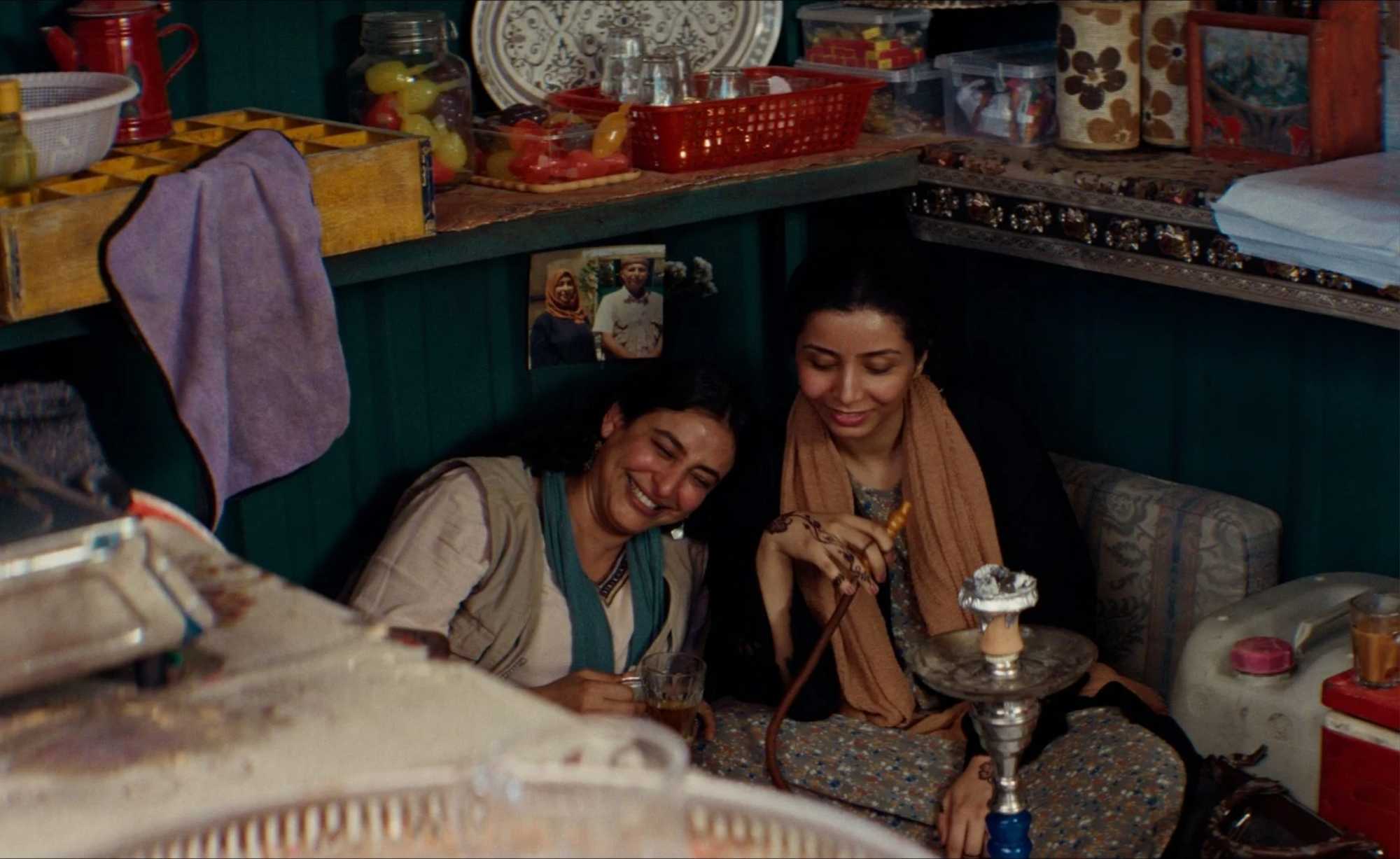
Sara Ishaq’s fiction debut, ‘Al Mahattah’ (The Station) is set in a village in war-torn Yemen. Most of the film is set in a gas station run entirely by women. Occasionally, we hear fighter jets roar overhead, but they don’t let that disrupt their everyday life. Within this small community, women have created a safe refuge. Men, weapons and politics are strictly forbidden. This is a war story told from the margins, the kind we rarely hear. Women gather to rest, smoke shisha, exchange stories, and briefly escape the violence beyond the station’s walls.
The narrative escalates when Layal learns that her younger brother may soon be pulled into the war due to obligatory military service. Faced with the possibility of losing the only close family she has left, she reaches out to her sister, Shams. Layal demands his inheritance so she can pay them off momentarily. But she eventually learns that the money has already been spent by Shams. When the two sisters reunite, years of resentment and unresolved wounds resurface, and their fractured relationship gradually takes centre stage.
Manal Al-Mulaiki delivers a commanding performance. Through the subtlest shifts in expression, you can almost see her calculating the next step, searching for a way to resolve the crisis at hand. Equally impressive is Abeer Mohammed as her sister, particularly in some of the film’s most intense sequences, which unfold at military checkpoints. Even the supporting characters, some of whom appear only briefly, feel remarkably lived in. The film grants them an interiority beyond their function within the narrative. You sense histories, burdens and entire lives extending beyond what is shown on screen. Strong writing reveals itself when dialogue emerges from the character rather than existing solely to move the story forward.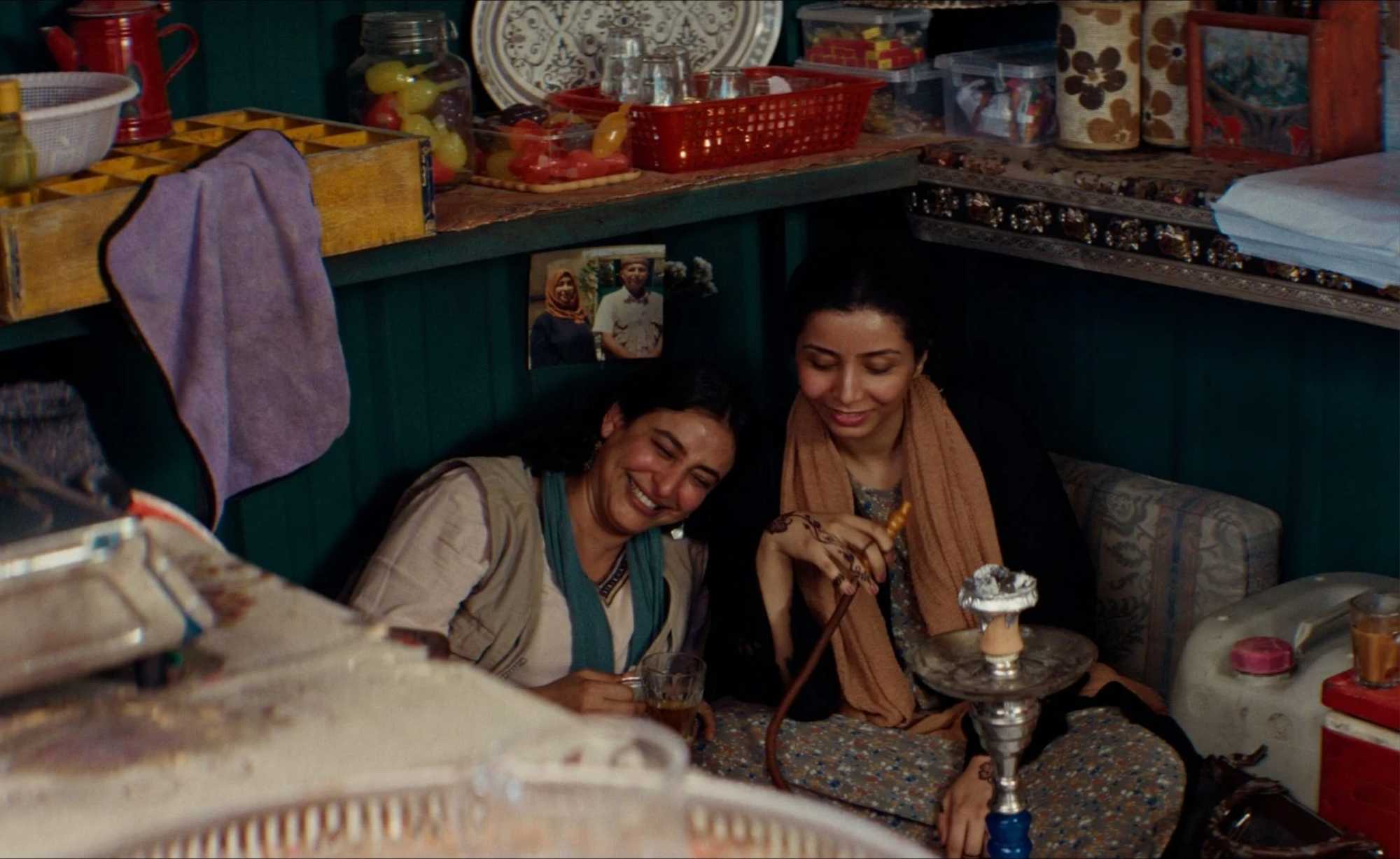 If there is one criticism I have, it relates to a dream sequence that felt unnecessary, largely because it drifts into melodramatic territory that clashes with the tone established elsewhere in the film. Still, it remains a minor misstep in a work whose emotional and thematic power is otherwise undeniable. There is one particular sequence much later on that ranks among the most pleasantly surprising moments I have seen at Cannes this year. It arrives when the husbands of several women attempt to infiltrate the gas station. This prompts the women to set aside their differences and stand together in solidarity to block their entrance. Without revealing too much, the way the situation unfolds leads to one of the film’s most inventive and unexpectedly humorous moments. I genuinely loved the paradoxical creativity embedded within the resolution.
I’ve always been drawn to war films, or films set during wartime, because of the paradox at their centre. Historically, cinema has often represented conflict through soldiers, battlefields, atrocities and acts of heroism. Yet this is where the contradiction of the genre emerges. Can a film about war ever truly be anti-war? Or does the very act of representing conflict risk aestheticising and glorifying it? Even films that reject combat spectacle and instead focus on suffering are not entirely free from this tension. Depictions of innocent civilians being lost on screen may be intended as condemnations of war. Yet they can also indirectly become arguments for justifying war, military intervention, retaliation or further violence.
This is what makes this film feel like such a rarity and a triumph. War is present, but it often remains beyond the frame. What we see on screen is what survives its wake. Posters of missing children hang on walls. Images of martyrs. Widows moving through the village carrying the grief of loss. Truly anti-war films are scarce, but this is unmistakably one of them, for the very precise reason of avoiding to depict it.
‘The Station’ marks my introduction to the work of Academy Award-nominated Sara Ishaq, and if this film is any indication, it certainly won’t be my last. There is a confidence in its treatment of political realities, resistance and everyday survival that reminded me of Abderrahmane Sissako’s ‘Timbuktu’, as well as the spirit of female solidarity found in Ousmane Sembène’s ‘Moolaadé’. More importantly, it feels exciting to witness a strong female voice emerge with such empathy and clarity of vision. I genuinely look forward to discovering her documentary work and whatever future projects lie ahead. If this remarkable fiction debut is proof of anything, it is that Sara Ishaq’s future as a filmmaker appears exceptionally bright.
Related Articles
Trending This Week
-
-
 Oct 15, 2026
 -
-