






Egyptian Chef Shehab Medhat Maps Africa Through Fine Dining in Dubai
Savryn's menu is a ten-course journey from Egypt to South Africa, reimagining African cuisine through technique, storytelling, and accessible fine dining.
There is an old African story about spice, usually told low and slow around fires, about something called Savryn that only blooms under moonlight. Ancient chefs were said to use it sparingly, to awaken memory and desire in a single bite. No one has ever found it, yet word travelled across kitchens, across continents, across centuries of cooks passing along stories while something simmered nearby. Eventually it landed in Wasl Vita Street in Dubai.
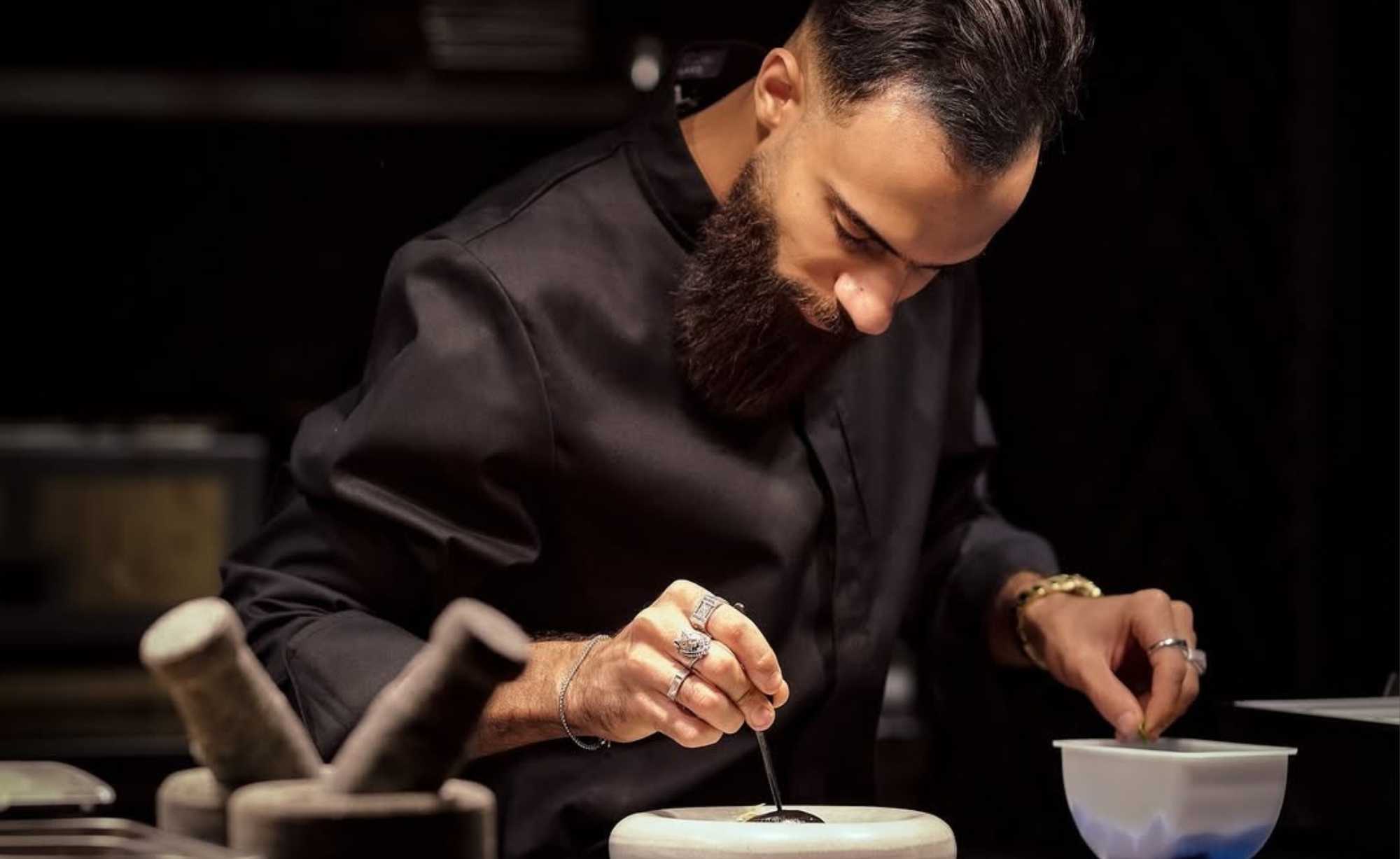
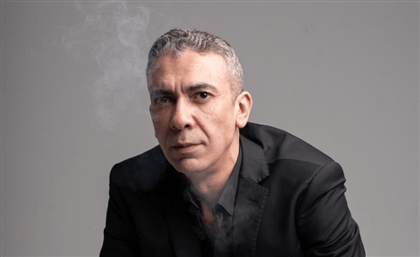
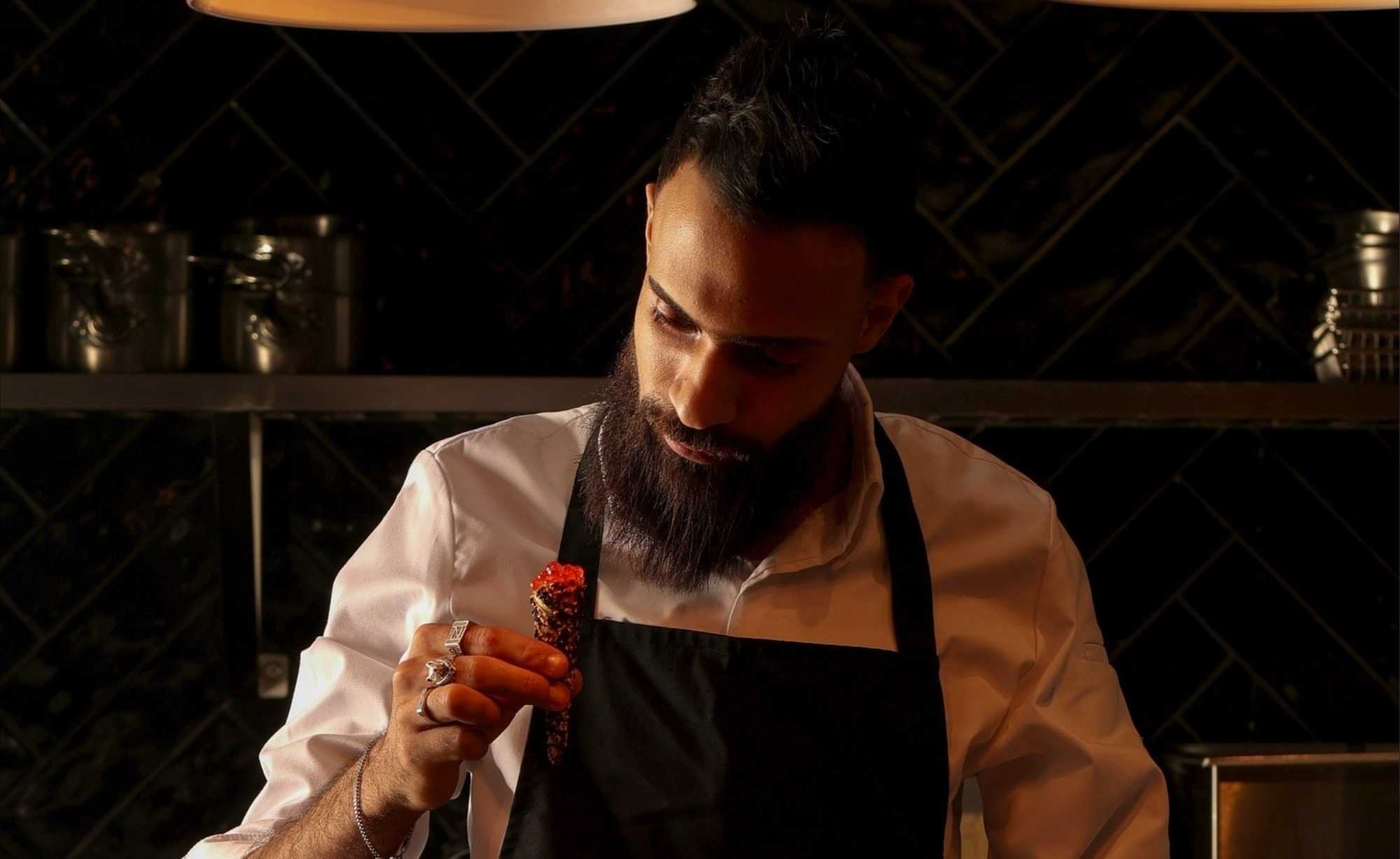 Savryn is now the name of a restaurant built by Egyptian Chef Shehab Medhat, winner of Top Chef Middle East Season 8, and a man attempting something few restaurants have ever tried: telling the story of Africa through a tasting menu, in a fine dining setting accessible to everyone. Not fine dining for people who can afford fine dining, but fine dining for people who want the experience regardless of what they have. “If you have 100 or 200 Dirhams, you can come and enjoy the whole experience.” he tells SceneNowUAE. “In my restaurant, we have a saying: The dining room is open to everyone.”
 On any given night you will find Chef Medhat in an open kitchen feeding 28 strangers who have come to taste a continent. His dining room (what he prefers to call it) is incredibly intimate: low light, close tables, eight seats pressed against the kitchen where you can watch him work. But to understand how a man ends up here, serving a ten-course map of Africa in a city built on excess, you have to go back. Way back. When Chef Medhat was starting with nothing. No mentor, no culinary school, no family connections dropping him into a decent kitchen. There was just him and the work. But Shehab's system, the same one he uses today, is the reason he's made it this far. “For me, there are three pillars: Knowledge, communication, and execution.”
 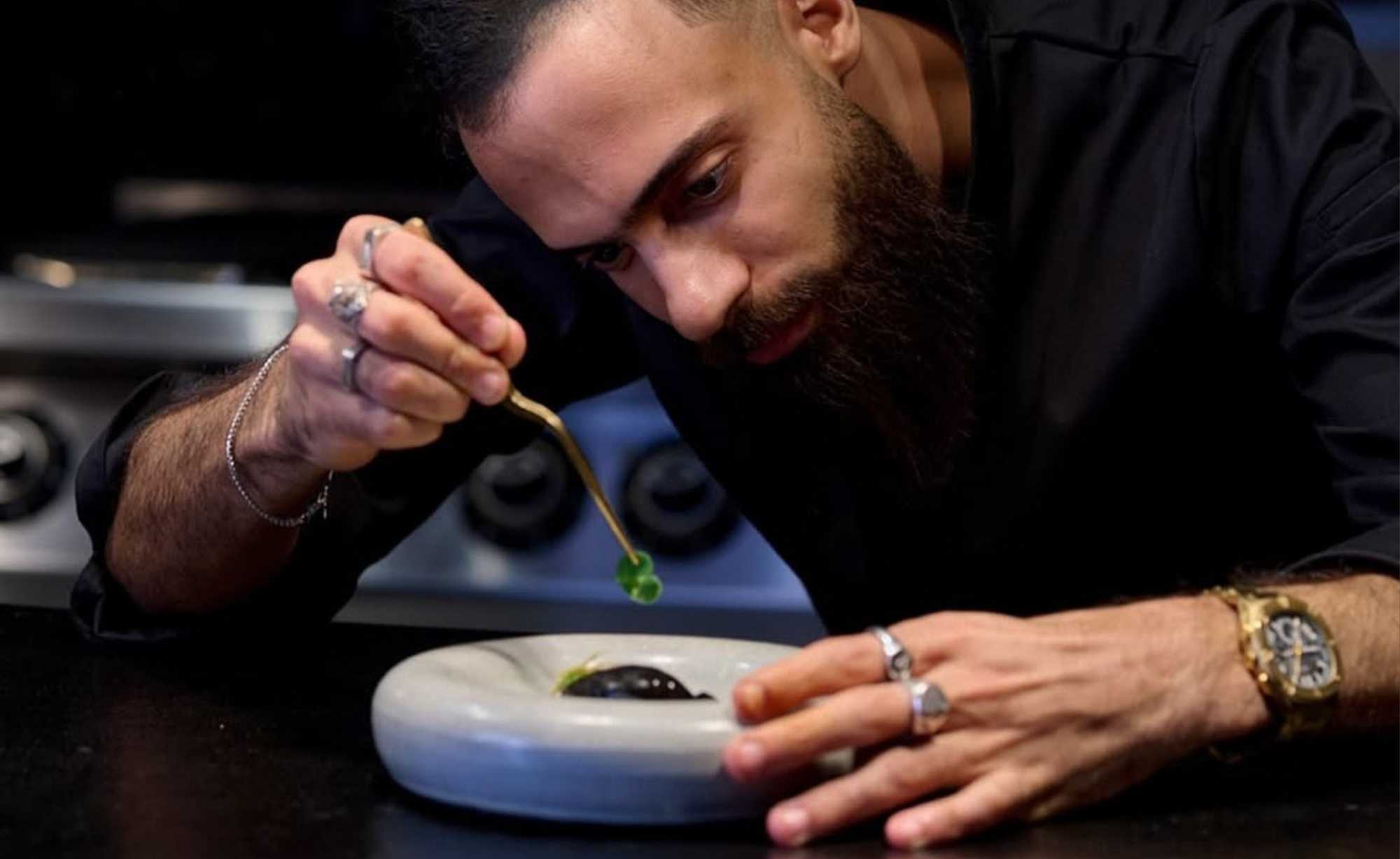 Knowledge meant the internet before dawn. Social media, YouTube, whatever he could find. He would watch chefs in other countries, in other kitchens, and try to reverse-engineer what they were doing. As for communication, Shehab would talk to every chef he worked with, about how to make things, about how they saw things. How did they decide? How did they recover? How did they know when a dish was done? Execution, on the other hand, meant staying after closing, after everyone else left, and practicing until the technique moved from his head to his hands.
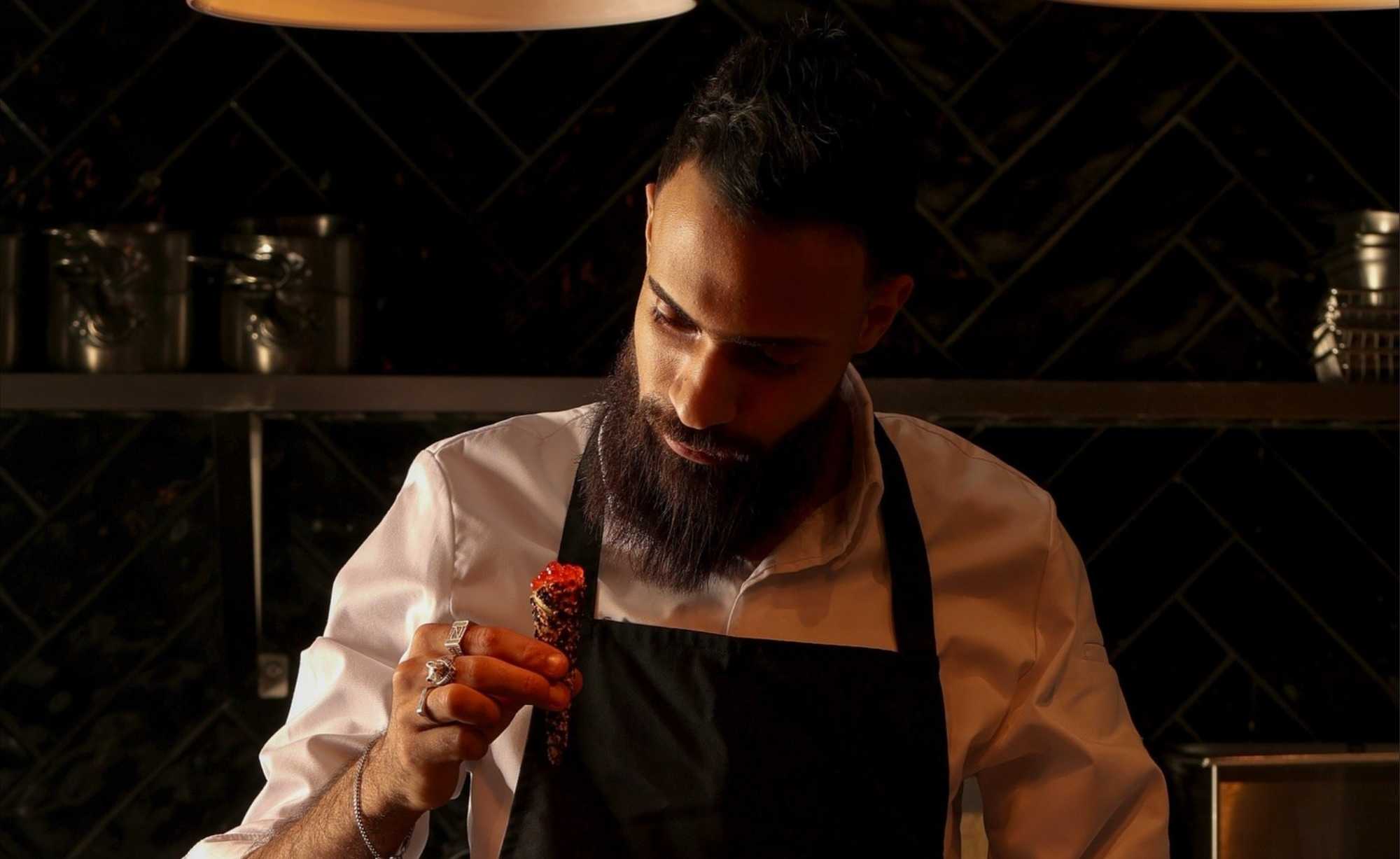 At only 14, Shehab started washing dishes to support his family, only six months later he was a chef, working at three restaurants in one day. “It was very difficult,” he says now. “But working in three different restaurants meant three different teams, three different kitchens, and three different ways of cooking.” At 19, he entered his first competition, Battle of the Arab Chefs in Tunisia, and won second place. At 21 he went to the Bocuse d'Or in Africa, one of the most brutal culinary competitions on the continent, and finished fourth. At 22 and 24 he won the Egyptian title two years running.
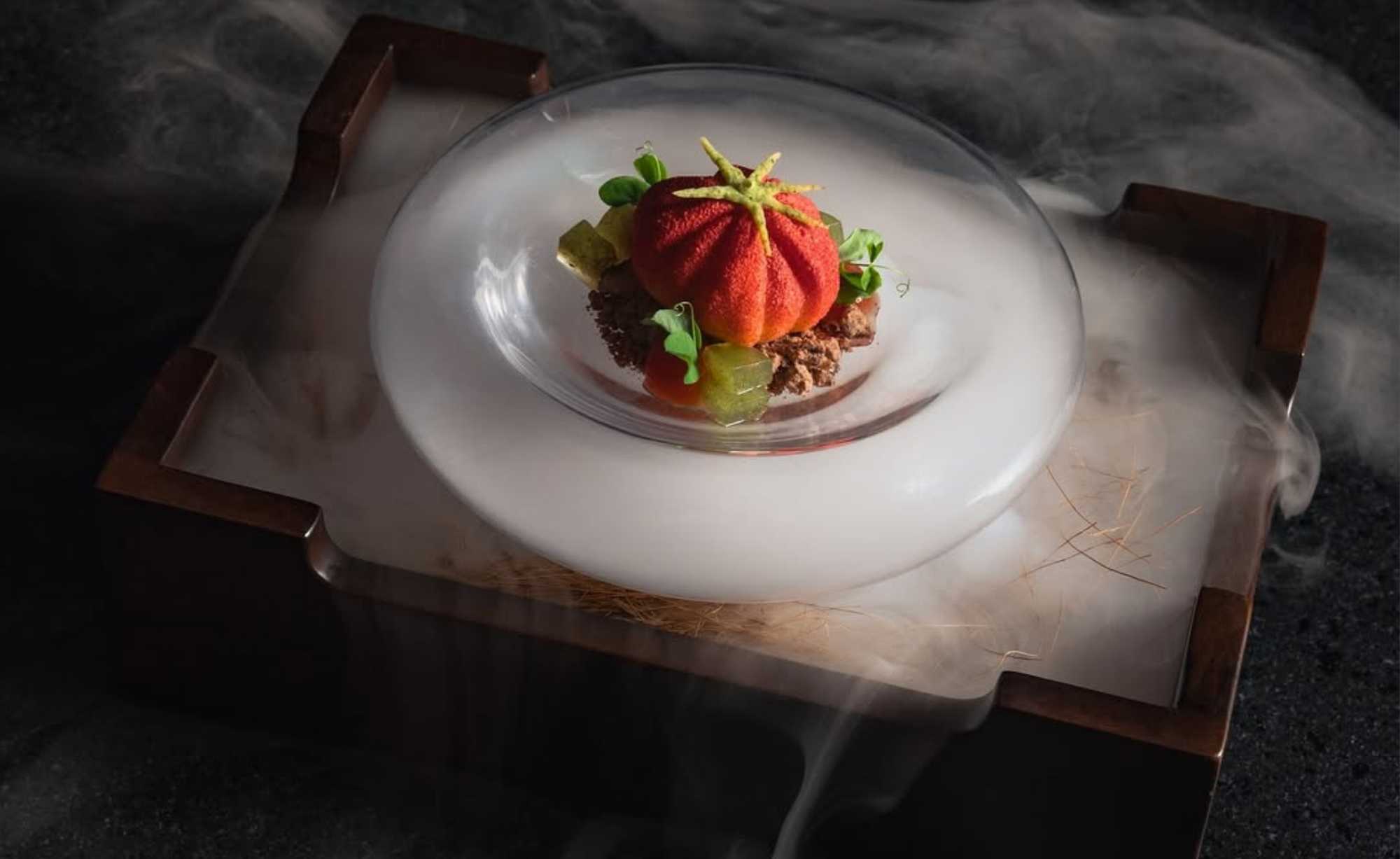
 But Top Chef kept calling. Season three, season four, season five, season six. And every time he said no. Because the timing wasn't right, because the family needed him, because he wasn't ready. But he was preparing anyway. After the restaurant closed he would stay and practice. He would ask friends to give him random ingredients, strange combinations, things he'd never seen. “I wanted to be ready for anything.” When season eight came, he left everything behind—job, home, safety—and flew to a television set in another country to cook for judges and won the whole thing. Today, his winning dish—a dessert made from tomato and basil—is still on the menu at Savryn.
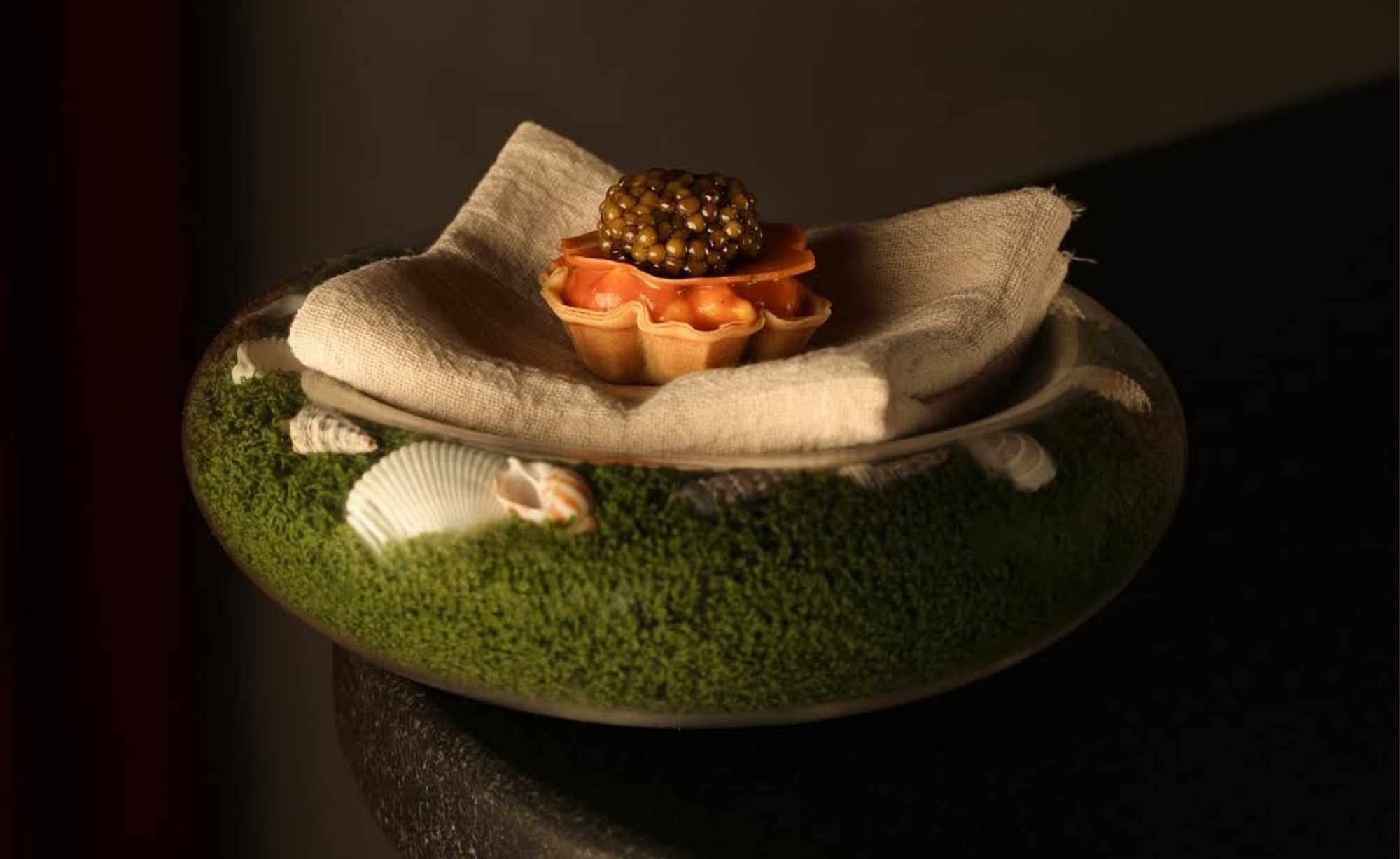 As for the rest of the restaurant’s offerings, they are a true ode to the African continent. "I have a dish from Egypt to Ghana." Ten dishes, ten countries, one plate at a time. Shehab calls it a “culinary map” and it starts where he started: in Egypt with chicken liver prepared using techniques from the Pharaonic era. “Anyone can eat this," he says. “Not just rich people.”
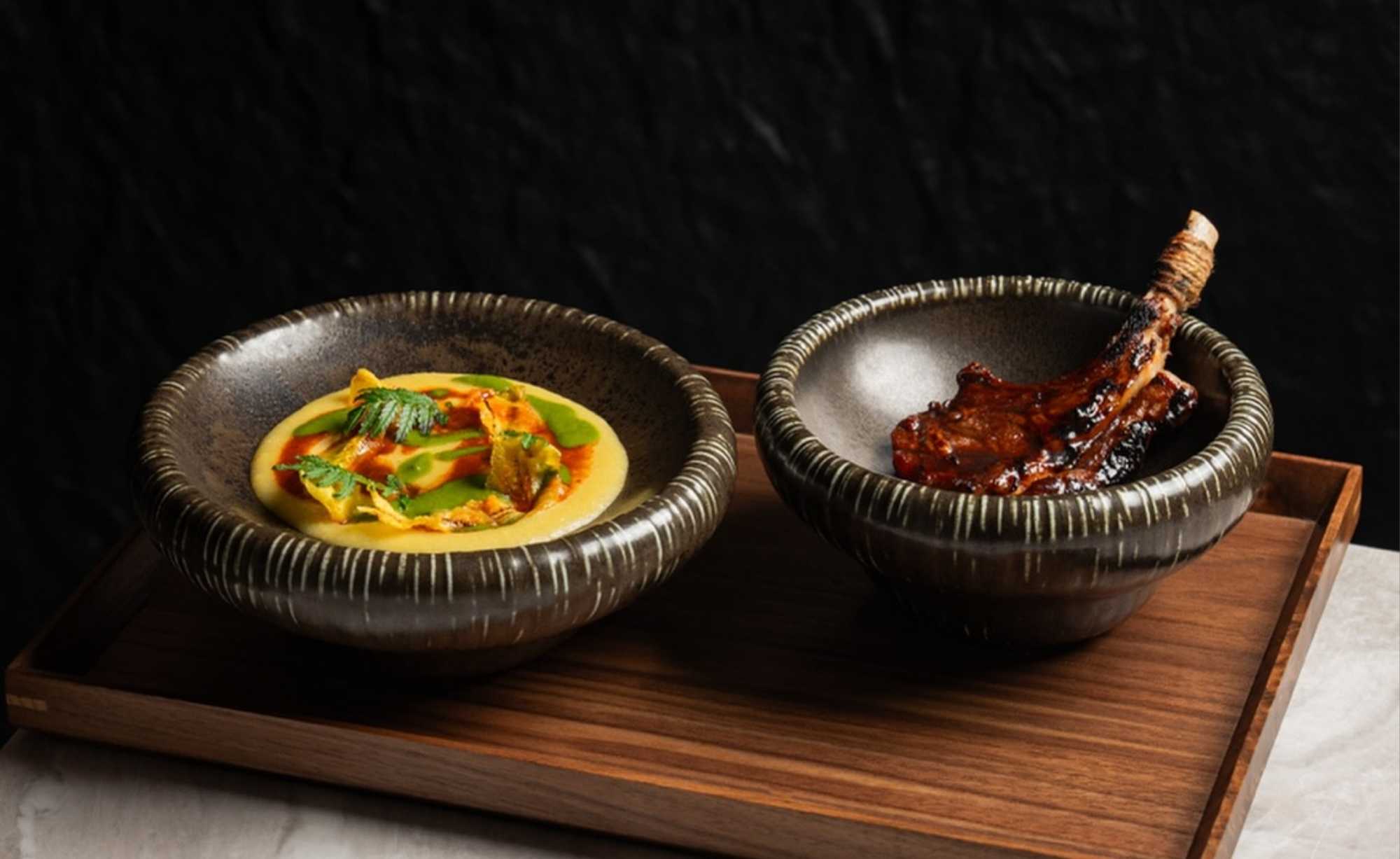
The menu sways to Kenya: ostrich samosa with raspberry spice gel and dried mint yogurt. Somalia and Nigeria, where a pepper stew called Ata Din Din arrives with otoro tuna and caviar, followed by street food Suya Wagyu, then fufu—the staple, the everyday, the thing millions eat with their hands—becomes a crab croquette dressed in Madagascan vanilla. Then a dish called ‘How are you?' in Ghanaian, named for the people he lived with in Ghana, the ones who taught him things you can't learn from the internet. Then Golden Ribs from Zanzibar, short ribs in an African curry made from more than twenty ingredients. Then the tomato dessert that changed his life on national television. And finally, the South African malva pudding, Nelson Madela’s favourite dessert.
As for the rest of the restaurant’s offerings, they are a true ode to the African continent. "I have a dish from Egypt to Ghana." Ten dishes, ten countries, one plate at a time. Shehab calls it a “culinary map” and it starts where he started: in Egypt with chicken liver prepared using techniques from the Pharaonic era. “Anyone can eat this," he says. “Not just rich people.”
The menu sways to Kenya: ostrich samosa with raspberry spice gel and dried mint yogurt. Somalia and Nigeria, where a pepper stew called Ata Din Din arrives with otoro tuna and caviar, followed by street food Suya Wagyu, then fufu—the staple, the everyday, the thing millions eat with their hands—becomes a crab croquette dressed in Madagascan vanilla. Then a dish called ‘How are you?' in Ghanaian, named for the people he lived with in Ghana, the ones who taught him things you can't learn from the internet. Then Golden Ribs from Zanzibar, short ribs in an African curry made from more than twenty ingredients. Then the tomato dessert that changed his life on national television. And finally, the South African malva pudding, Nelson Madela’s favourite dessert.
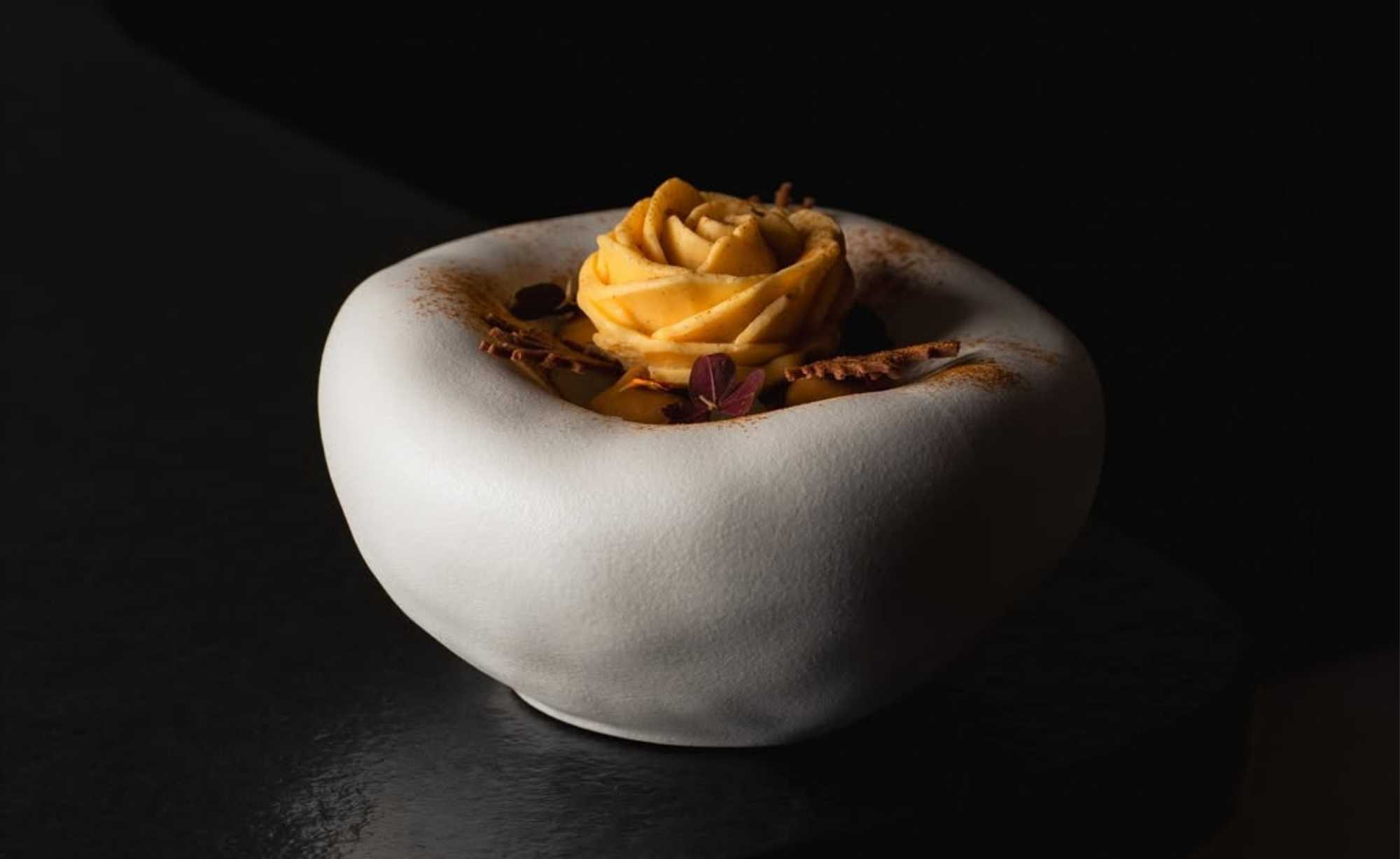 “There are almost no African fine dining restaurants in the Arab world,” he says. “Most of our guests are trying African food for the first time, so they're hesitant. But then, they love it, they come back, bring friends." Even when African guests stop by, those whose palates are far more critical, they say the food tastes of home. "They always tell me the same thing: This is our food, it's just presented in a refined way.” He takes that as the highest compliment.
Currently, Shehab is planning a few voyages. Cameroon, Ivory Coast, Zimbabwe, Gabon, Madagascar. More countries, more ingredients, more dishes for the menu. The journey never ends because the continent doesn't end. There is always another spice, another technique, another story to bring back, and one more goal on the horizon: to become the first Egyptian Chef to win a Michelin Star. Until then, Shehab will continue doing what he does best: feeding anyone that knocks on his dining room door.
“There are almost no African fine dining restaurants in the Arab world,” he says. “Most of our guests are trying African food for the first time, so they're hesitant. But then, they love it, they come back, bring friends." Even when African guests stop by, those whose palates are far more critical, they say the food tastes of home. "They always tell me the same thing: This is our food, it's just presented in a refined way.” He takes that as the highest compliment.
Currently, Shehab is planning a few voyages. Cameroon, Ivory Coast, Zimbabwe, Gabon, Madagascar. More countries, more ingredients, more dishes for the menu. The journey never ends because the continent doesn't end. There is always another spice, another technique, another story to bring back, and one more goal on the horizon: to become the first Egyptian Chef to win a Michelin Star. Until then, Shehab will continue doing what he does best: feeding anyone that knocks on his dining room door.
Related Articles
Trending This Week
-
 Apr 26, 2026
 -
-
-