




Trashy Clothing's SS'26 Collection Stages the Exhaustion of Seduction
The Palestinian brand's SS'26 Collection, Bikini Diplomacy, examines how power dresses itself in allure—transforming déjà vu into material illusion and polished silence.


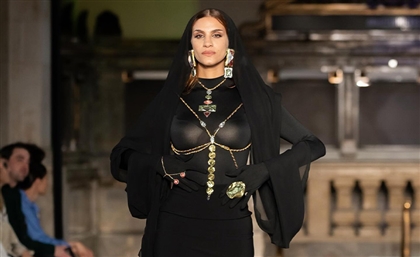
Palestinian label Trashy Clothing has never been about trash. But, rather the shimmering, high-definition void where meaning used to be. Their Spring/Summer 2026 collection, Bikini Diplomacy is a deep theatrical sigh.
Designers Shukri Lawrence and Omar Braika are forensic accountants of aesthetic fraud and their latest audit is the bankrupt currency of seduction itself. The collection is a case study in what Lawrence calls an “unsettling déjà vu,” that 21st-century condition where every new scandal, trend, and political crisis feels like a rerun you’re too tired to turn off. Bikini Diplomacy replicates the system’s hollow motions with such eerie precision that the hollow part is all you can see.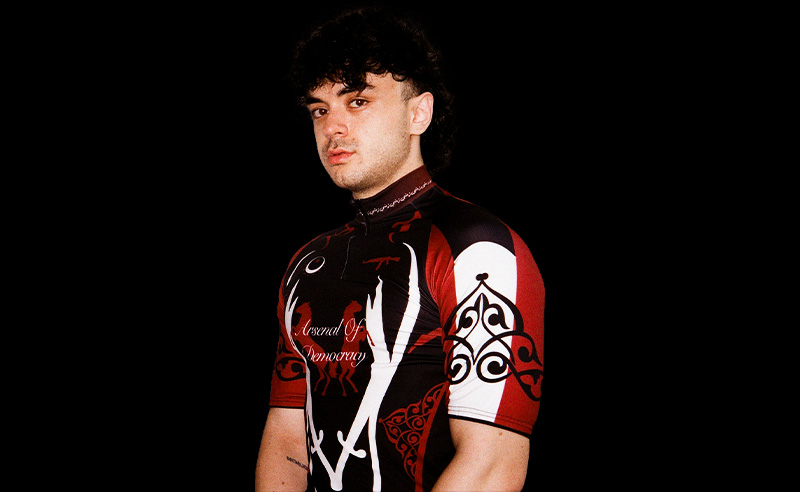 “The collection continues our investigation of how power stages itself through aesthetics. This season focuses specifically on how nostalgia, beauty, and sex are recycled as diplomatic tools long after their effectiveness has worn thin.” Shukri Explains.
The silhouette vocabulary is a deliberately confusing timeline, a fashion history textbook dropped down the stairs. Over here, the severe, architectural drape of a medieval tunic - the kind that whispers of monastic austerity and castle intrigues - sits next to the slinky, off-duty-Baywatch minimalism of a 1990s slip dress. Then, boom: the aggressive, branded sportif swagger of the 2010s, all technical panels and corporate logos. It’s a crowded elevator of power aesthetics from different centuries, all refusing to make eye contact. “References span decades and centuries, deliberately collapsing timelines to show how visual power recycles itself.” Shukri shares. The message is to look at how all these different scripts of control and desire are, fundamentally, the same tired play.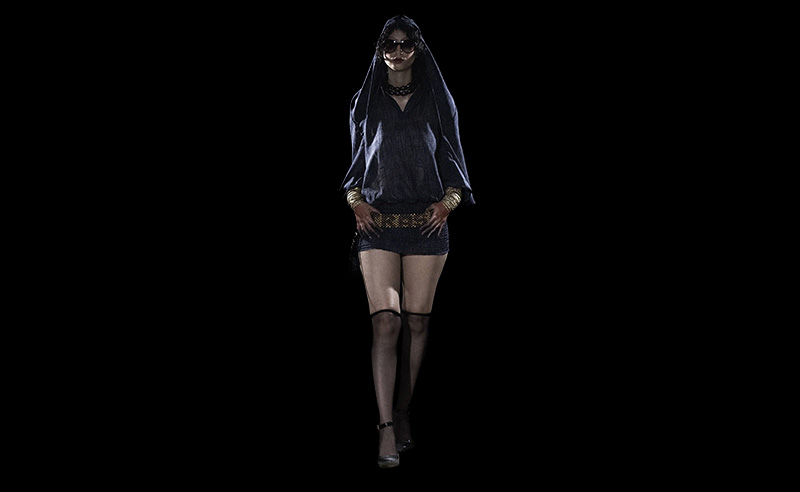 The “Bahhar” pieces - a top and trousers - representing the Palestinian sailor as messenger and conduit, moving stories and resources, as more than mere goods.
Reflecting a repressed energy they have opted for a fixed colour story: chalky whites, dove greys, navy so dark it’s basically black, and the occasional smear of a faded, sun-bleached gold. It’s the palette of a very expensive sanatorium, of diplomatic waiting rooms, of luxury linen advertised on minimalist Instagram accounts.
Through material the satire becomes tactile. Shukri talks about choosing fabrics for “their ability to disguise themselves. This material illusion mirrors political illusion. Appearance masking structure.” Linen, that symbol of rustic, artisanal ease, is meticulously engineered to impersonate the working-class heroics of denim. It’s a breathtaking act of textile espionage. A classic polo shirt - the uniform of golf courses, private schools, and casual Friday hegemony - is petrified into rigid wood becoming a relic, a passive-aggressive heirloom. The pièce de résistance? The humble plastic shopping bag, that global symbol of throwaway consumption, resurrected in plush, high-tech scuba material. They’ve taken the ultimate symbol of disposability and made it desirable. It’s a joke so profound it circles back to being deadly serious.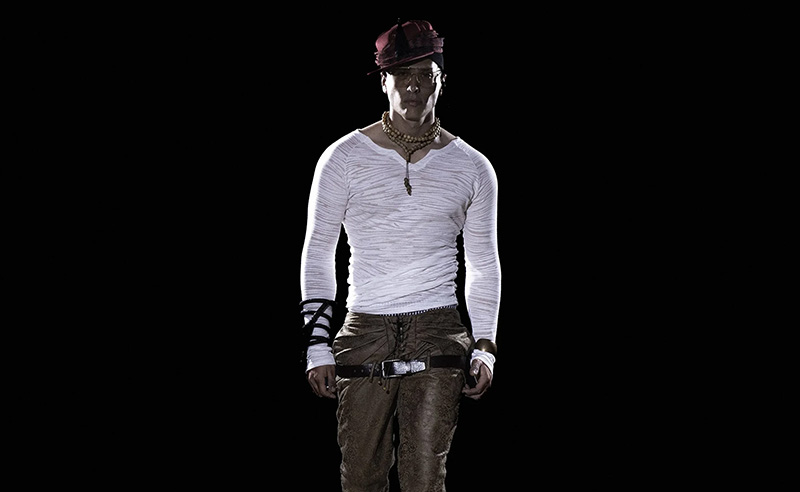 This is the political and sexual messaging, woven directly into the warp and weft. The politics are in the premise: “Bikini Diplomacy” is a term that reeks of statecraft using the female form as a soft-power asset, of summits held by poolsides. The collection mirrors this by presenting beauty and sex appeal as issued garments. The “Armor Dress” for instance is a direct statement - glamour is your protection, your polished carapace in a world that weaponizes glances. The much-talked-about “Inspection Trousers” from past collections introduced zippers that control access to the wearer’s body, a direct commentary on physical sovereignty at checkpoints. That same ethos of controlled access, of the body as a contested site, hums through this collection in the precise, restrictive tailoring and the layered, almost defensive, styling.
The accessories are the punchlines. A tarboosh, a traditional brimless hat steeped in history, is cleaved and reworked into a casual snapback. Gold bangles - from ornate antique cuffs to the kind of chunky, studded pieces that dominated blog-era street style - are stacked together with zero regard for era. The effect is the clattering sound of different centuries of “luxury” all trying to shout over each other, resulting in pure noise. And then, the Saifak belt: hand-beaded with wooden beads “traditionally associated with protection.” Shukri calls the added beads “almost like layered prayers.” It’s the collection’s secret heart: beneath all the performance, a plea for safety.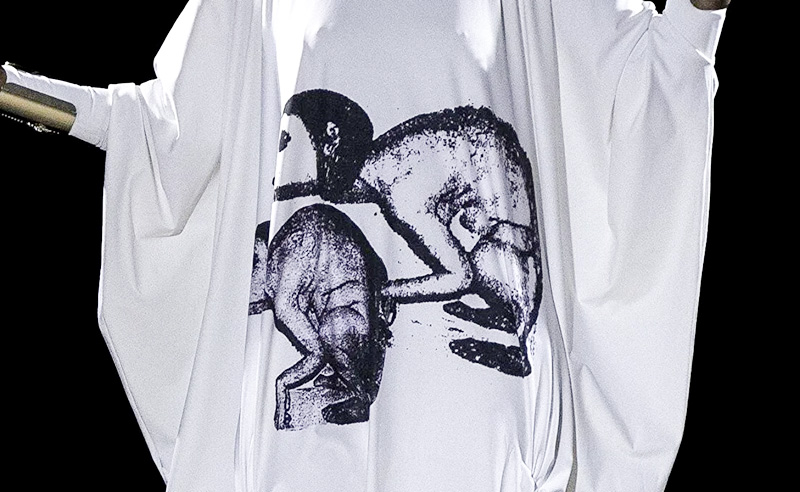 The runway presentation, a film styled like an early-2000s Fashion TV segment, was the final, masterful meta-commentary. It placed the entire collection within the glossy, uncritical frame of fashion media itself. This is Trashy showing their hand, revealing that the distance between the backstage hustle and the front-of-house glamour is where the truth lies.
Bikini Diplomacy is Trashy Clothing’s most sophisticated prank yet. They haven’t made a collection about rebellion. They’ve made a collection about the eerie calm that comes after you realise rebellion, too, can be packaged and sold back to you. They’ve diagnosed our collective numbness and, instead of prescribing a stimulant, they’ve crafted a perfect, beautiful, empty mirror to hold up to it. It’s fashion that stares back at the culture, smiles a perfectly rehearsed, utterly vacant smile, and says, with impeccable politeness: “I see what you’re doing. And so do you.”
The genius is, they make that realisation look incredibly, expensively chic. Now that’s satire.
Related Articles

Trending This Week
-

-
-
 Sep 28, 2026
 -