






Doors That Tell Stories Across the Middle East & Beyond
From the carved cedar entrances of Fez Medina to the coral-stone homes of Muharraq, we explore the doors that have quietly witnessed centuries across MENA.

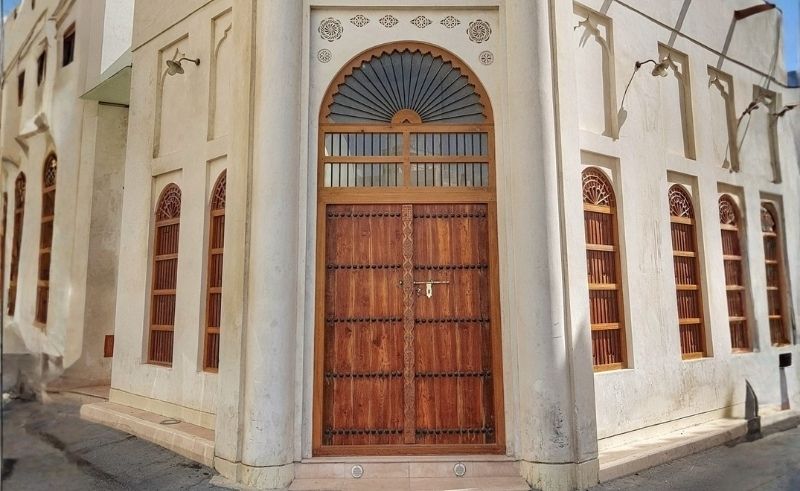
Across the Middle East and North Africa, doors are rarely just entrances. They are declarations. Of craftsmanship, of status, of faith, of the people who once crossed their thresholds. From sun-faded blues along the Mediterranean and carved cedar panels in old medinas to heavy brass knockers polished by generations of hands, each door carries traces of the lives lived behind it, shaped by a culture that protects privacy within while remaining visually engaged with the life of the street beyond.
And in cities where history layers itself quietly over centuries, it is these doors that often outlast everything else. They survive renovations, changing empires, shifting neighborhoods. Some guard homes, others lead into mosques, caravanserais, or forgotten courtyards. Yet, all of them tell stories of the region, if you slow down long enough to notice.
The Blue Doors of Sidi Bou Said
📍Tunisia
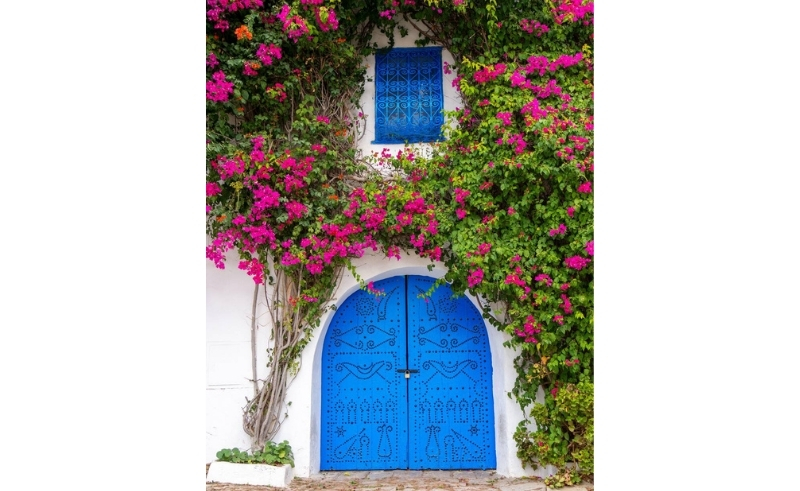
Perched above the Mediterranean, Sidi Bou Said’s iconic blue-and-white doors feel almost mythical. Painted in deep cobalt shades said to ward off evil and reflect the sea and sky, many are adorned with nail-studded patterns and symbolic motifs. Walk the steep streets early in the morning and you’ll notice how no two doors are truly alike—each one quietly asserting its own identity within the village’s strict aesthetic harmony.
The Carved Doors of Fez Medina
📍Morocco
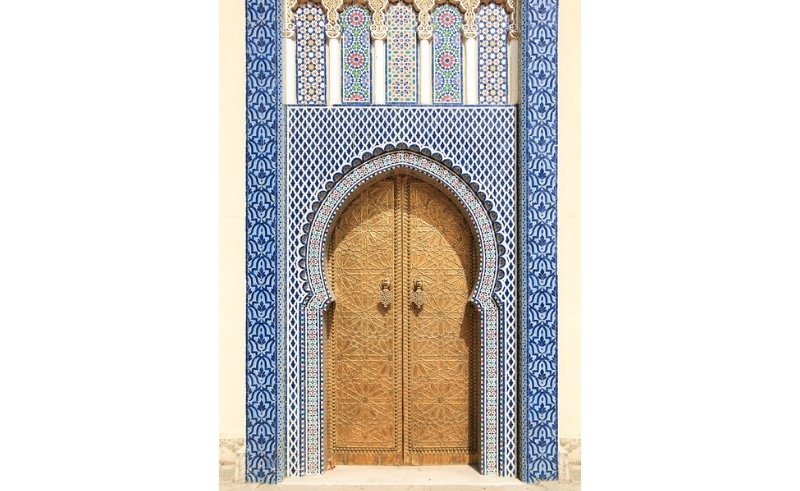
Massive cedar entrances carved with zellige-inspired geometry and Arabic calligraphy signal the craftsmanship hidden inside traditional riads. Brass knockers often come in pairs—one for men, one for women—producing different sounds so residents would know who stood outside before opening. Here, the door is etiquette, artistry, and architecture combined.
Old Cairo’s Mashrabiya Entrances
📍Egypt
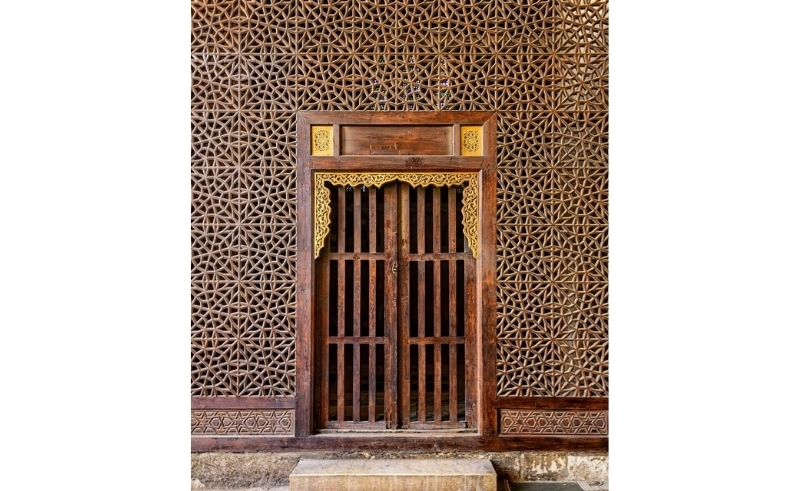
In historic Cairo, particularly around Al Sultan Qalawoon and Al-Darb Al-Ahmar, wooden doors sit beneath intricately carved mashrabiyas with many dating back to the Ottoman era. Their heavy wood is designed to keep interiors cool while maintaining privacy, while the worn surfaces speak of centuries of footsteps— traders, families, scholars—moving between the city’s public chaos and private calm.
Jeddah’s Wooden Doors With Rawasheen
📍Saudi Arabia
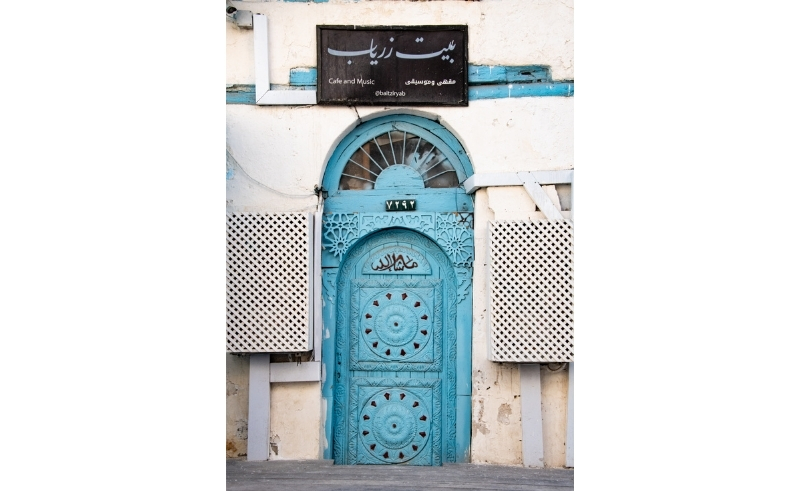
In Al-Balad, Jeddah’s historic district, tall wooden doors sit beneath elaborately carved rawasheen balconies. Built from imported teak and decorated with latticework, these entrances once welcomed merchants arriving through the Red Sea trade routes. The colors—muted greens, faded browns, sun-worn blues—echo the port city’s layered cultural exchanges between Africa, the Levant, and the Indian Ocean.
The Doors of Muharraq’s Coral Stone Homes
📍Bahrain
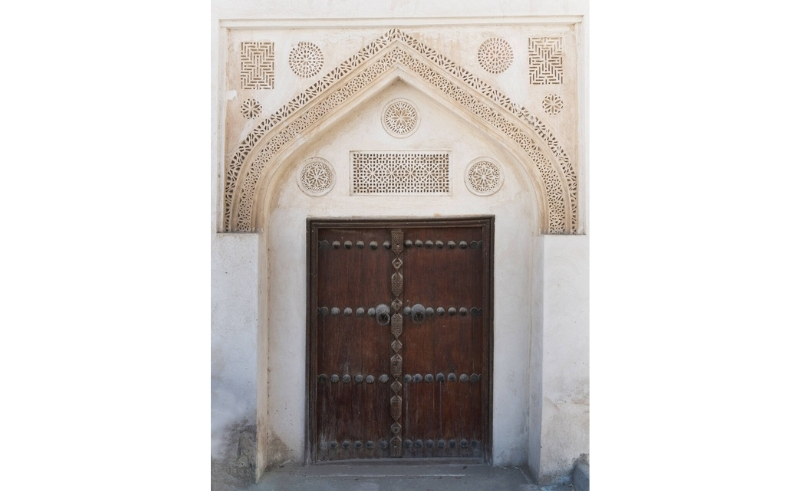
In Muharraq’s old neighborhoods, traditional homes built from coral stone feature simple yet dignified wooden doors, often framed by clean arches. Unlike the ornate styles elsewhere, these doors feel restrained, shaped by island life and maritime heritage. Many open into inward-facing courtyards, designed to protect family life from heat and public view.
The Ottoman Doors of Tripoli
📍Lebanon
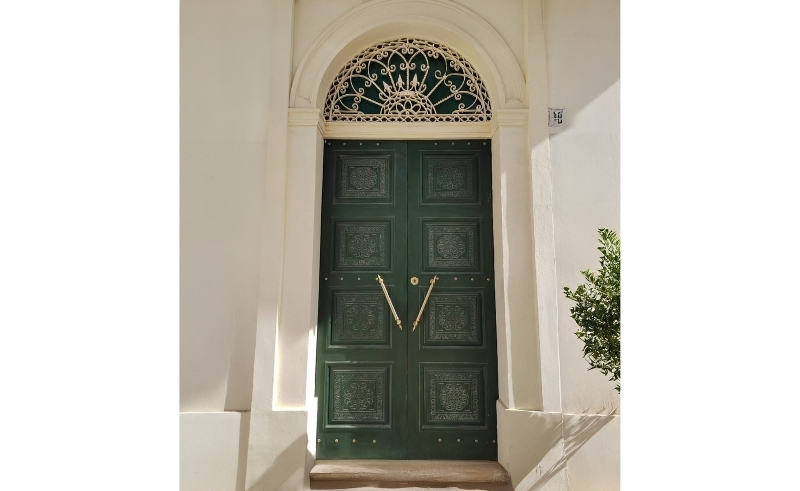
In Tripoli’s old city, wooden doors beneath Ottoman-era arches feature delicate carvings, iron studs, and muted blues and reds. Many lead into narrow souks and historic homes, where every door is a blend of defensive practicality and refined artistry reflecting centuries of Mediterranean trade.
The Wind Tower Doors of Bastakiya
📍UAE
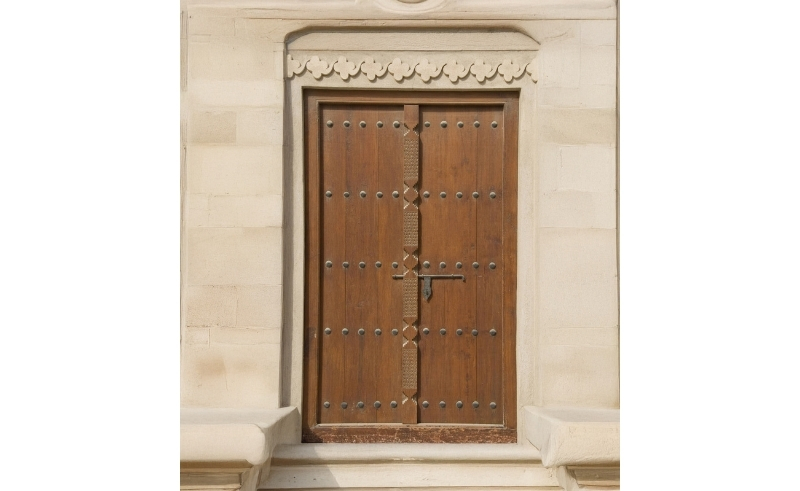
In Dubai’s Al Fahidi Historic District, traditional wind-tower homes feature simple wooden doors set beneath carved motifs and modest courtyards. They whisper of pearl merchants and early Emirati life, balancing privacy, ventilation, and quiet elegance in the desert heat.
The Aleppo Souq Doors
📍Syria
-15cc96cd-681c-47dd-9829-1aa7e0671921.jpg)
Beneath the labyrinthine alleys of Aleppo’s ancient souq, wooden doors—often arched and studded with iron—mark centuries-old workshops and homes, each carved panel and brass knocker telling stories of traders, artisans, and families who shaped one of the Levant’s most storied cities.
The Doors & Keys of Nablus
📍Palestine
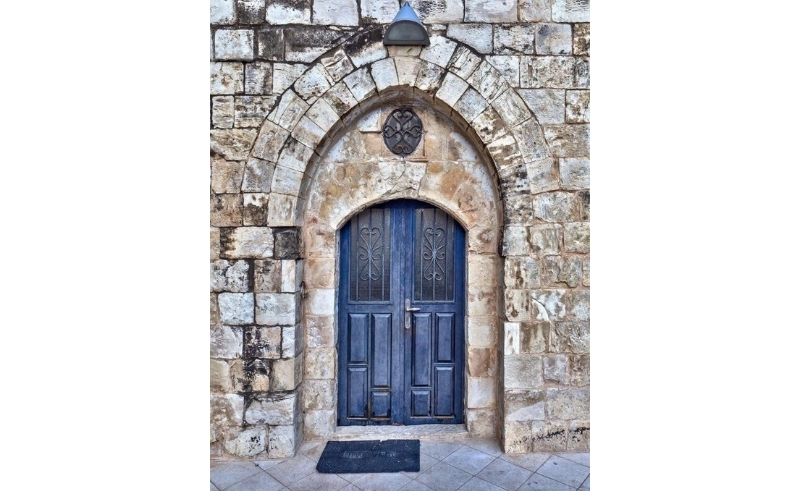
In Nablus’s Old City, traditional wooden doors once opened into family homes where generations lived, worked, and gathered, each panel carrying traces of daily life. Today, the original locks may have changed, but the large iron keys that once secured them endure as symbols of memory, home, and the stories of families who passed through those thresholds.
Related Articles
Trending This Week
-
 Oct 06, 2026
 -

-

-