


Cairo Art Summit is Bringing Discourse Back to MENA’s Cultural Capital
The inaugural edition convenes experts and practitioners for a weekend-long dialogue on art’s past, present and future in Cairo.
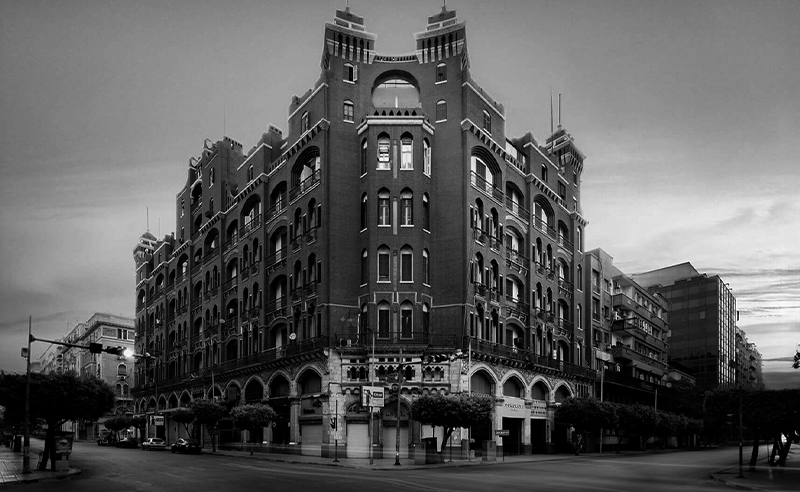
Cairo’s annual arts calendar is quickly filling up: Cairo Design Week and the Downtown Contemporary Arts Festival in the fall, Art D’Egypte and its Cairo International Art District in the winter, and Art Cairo in the spring. But now there’s another event on the horizon for the yet overlooked Cairene summer, one that is neither fair nor festival, but a forum where dialogue takes centre stage. From July 9th to11th, the inaugural edition of Cairo Art Summit will rally practitioners, researchers and institutional leaders from across various arts disciplines to reflect on just how far the Arab arts scene has come, and deliberate collectively on where it’s going.
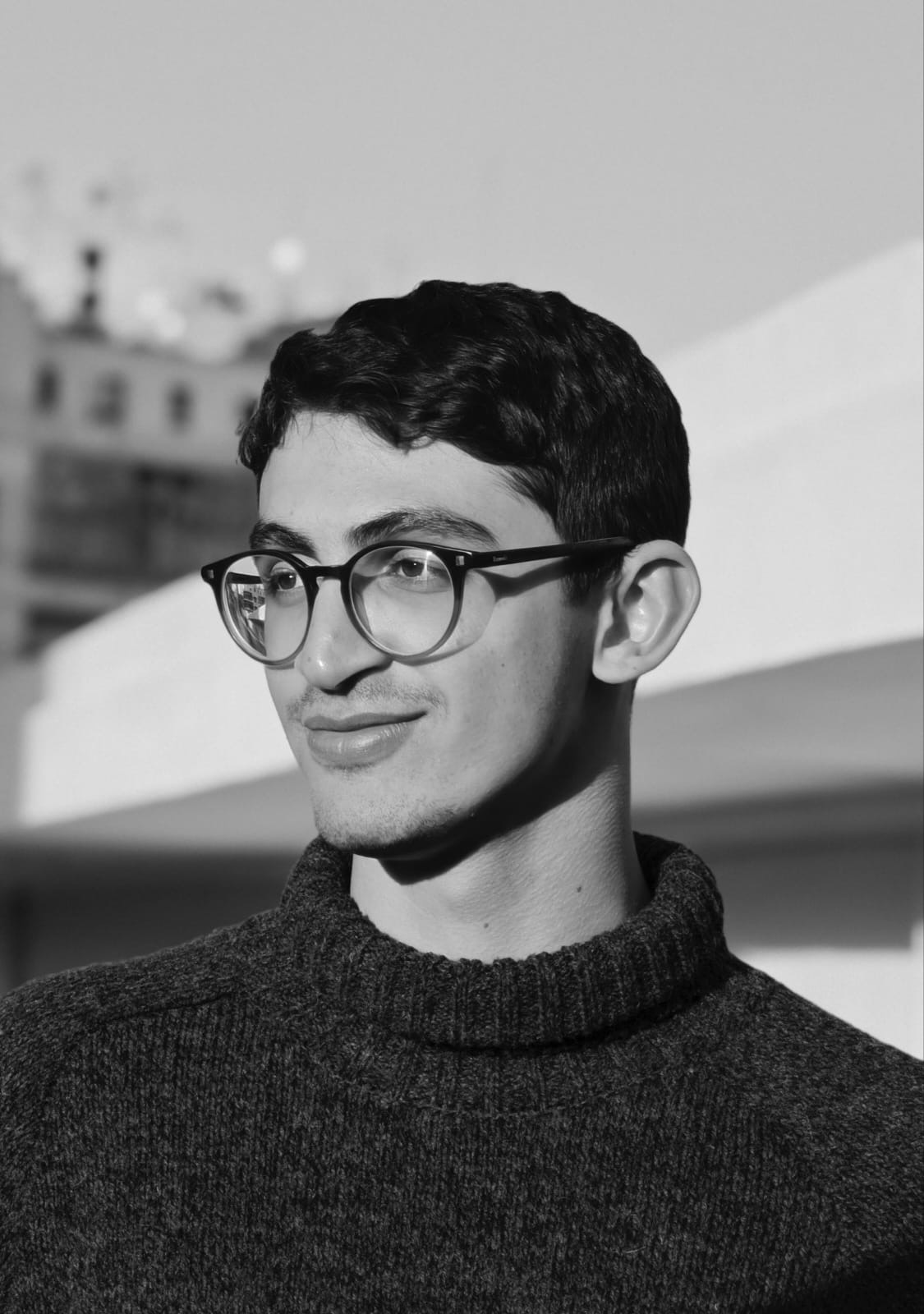
“We’re in a moment of great change,” says Adham Hafez, the Founder and Artistic Director of Cairo Art Summit. “Everybody can feel something is happening in Cairo, but we still can’t place a finger on it. So I thought: why don’t we sit around a table and talk?”
A choreographer, researcher and curator, Hafez is a firm believer that Cairo is the cultural capital of the MENA region, and has two decades of experience in bringing fragmented arts worlds together. In 2006, he founded research platform HaRaKa to begin documenting not only his own field of dance but the arts at large, in an effort to combat what he noticed was the lack of archives surrounding modern and contemporary work in Egypt and the region. In New York, where Hafez taught at NYU, he was the founding curator of the New York Arab Festival, an annual two-month long programme celebrating Arab and Arab American art. Most recently, he was the curator of the Saudi Pavilion at Expo 2025 in Osaka, and his curatorial consultancy Wizara produced the first theatre show ever in AlUla two years prior in 2023.
When Hafez moved back to Cairo from New York, he still felt the same way he did in 2006 when he first began his work: that there was no concerted effort to archive and document all the artistic production happening around us, and therefore no discourse guiding the trajectory of art in Egypt and its intersections with other walks of life. In response, Hafez began putting together “old school” salons in his home twice a month, where artists and academics and other members of the community could gather around new works—anything from a Palestinian poet’s latest collection to yet-to-be-released films by emerging filmmakers—and discuss, document and generate in real time. The seeds for Cairo Art Summit were planted at these salons.
“At arts events in Cairo, panels and conversations always happen on the sidelines of something else,” Hafez explains. “We still don’t have the kind of space where a structured encounter of regional and international experts can meet to discuss the field, and discuss how arts and culture intersect with other industries in Egypt. That’s a conversation we need to have.”
As such, Cairo Art Summit is not at all like an exhibition, but a forum where all the conservations that never got to happen at the city’s other events can finally take place. Among the regionally and internationally renowned attendees will be artists like Doua Fatfat, Marilena Roussoglou and Ohoude Khadr, writers like Raafat Majzoub, curators and cultural directors like Yasmeen Sabri and the Royal Commission for AlUla’s Hafsa Alkhudairi, academic researchers like Dr. Jessica Winegar and Dr. Dalia Wahdan and representatives of cultural institutions like the Grand Egyptian Museum, the Venice Biennale, the American University in Cairo and the storied Townhouse Gallery (now Access Art Space).
With 40 speakers and a programme full of panels, roundtables and workshops, the two-and-a-half day Summit will be punctuated by live artistic performances to keep discussions grounded in the inspiration behind it all. Meanwhile, the conversations themselves will unfold against three main tracks: heritage and history as it’s currently experienced, the present moment and the key players shaping it, and finding out-of-the-box solutions to imminent challenges.
In parallel to Cairo Art Summit, Hafez’s long-term archival project ‘Tawareekh’ will also be debuting in Cairo for the first time after kicking off in New York last year. Building upon two decades of documenting contemporary artistic practice across Egypt and the Arab region, ‘Tawareekh’ is a long-term research, publishing and archival initiative that resists the erasure and disappearance of artistic production. “‘Tawareekh’ is not so much an exhibition as an exhibited archive or living archive, where exhibited material will be activated through live interviews, screenings, workshops and public conversations over several weeks,” Hafez says.
Side by side, the two events act as something like a mirror reflecting Cairo’s art world back at itself, creating the space necessary for an intersectional discourse on its present, past and future to take place.
The inaugural edition is also leveraging several partnerships with public and private entities, including Al Ismaelia Real Estate Investment as the key partner for its Downtown Programme, and Marakez Developments and Villa M for its Zamalek Programme. The Summit also teamed up with the Zamalek Association for Development and Brassbell Hospitality Group for the Zamalek district programme, panels and activations. Meanwhile, powering research on urban development and art, PARAGON | ADEER is the project's founding partner of the Culture and Cities track.
While a small portion of ‘Tawareekh’ will be presented at Cinema Radio on the July 9th opening night of the Summit, the entire archival project will remain open to the public for free at ATLAS in Downtown Cairo until July 30th. Meanwhile, Cairo Art Summit will move to Villa M for its weekend-long programme on July 10th and 11th.
To register or learn more about the Summit, visit their website.
- Previous Article SceneNoise x Amsterdam Dance Event Present CROSSFADE: Egypt
- Next Article Tommyy Tackles Heartbreak on Afro-House Track ‘LAW TSEEB HASEEB'
Related Articles
Trending This Week
-
-
 Oct 15, 2026
 -
-