





Marwan Tarek’s Short Film 'Umm El Donia' Maps Lost Green Spaces
In short film 'Umm El Donia', director Marwan Tarek traces how rapidly changing urbanisation in Egypt reshapes its people and everyday life.
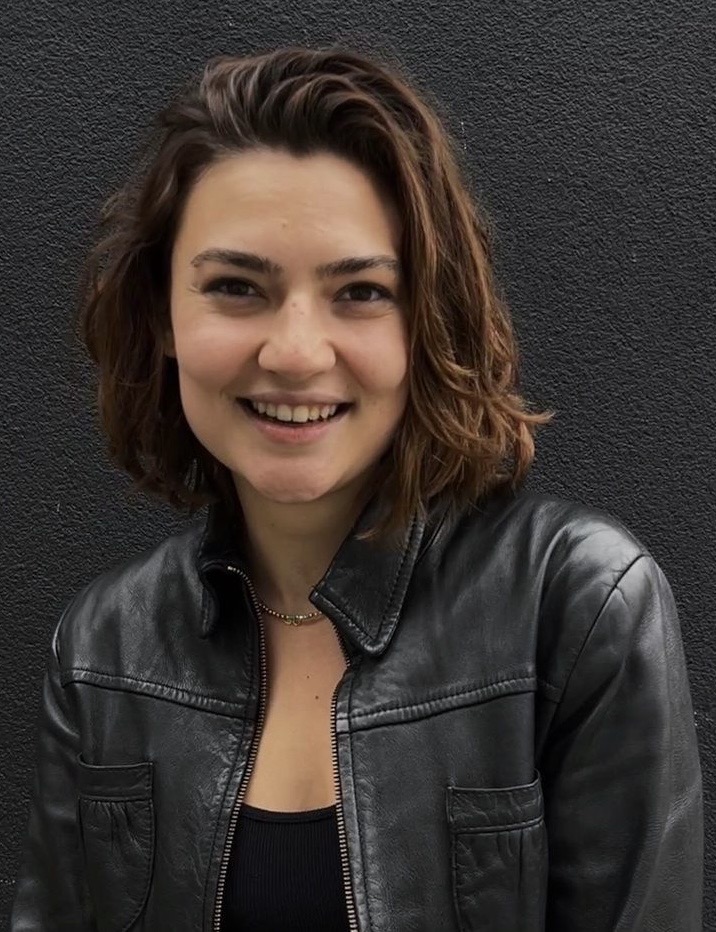
Most times when people think of the environment, they picture lush forests, windswept coasts, or farmers framed against endless fields. For director Marwan Tarek, environmental storytelling starts somewhere else entirely: in the dense, concrete heart of Alexandria. His short film 'Umm El Donia' – which just won Best Short Film at the Fayoum International Environmental Film Festival – refuses the usual nature documentary tropes and instead treats the city itself as an ecosystem under pressure, and a character in crisis.
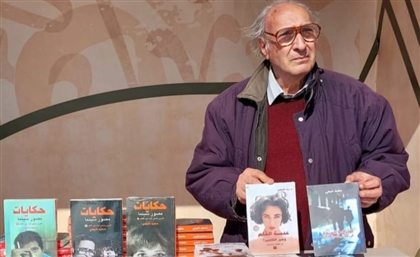
For Tarek, that relationship between self, cinema, and city begins with another Alexandrian: Youssef Chahine. Both graduated from Victoria College; both made their first films there. “I became the second student, after Youssef Chahine, to make a film while still a student and about the school.” But Tarek is quick to underline the differences: he doesn’t come from the same social class, and the Alexandria he’s filming now isn’t the one Chahine captured.
What connects them instead is a shared impulse to look inward in order to look outward. As a child, Tarek was drawn to Chahine’s introspection, especially films like 'Cairo as Told', which he describes as the work of “a director who truly saw people, loved them, and tried to paint an honest image of Egypt in that era.” That idea – cinema as a truthful record of how people live, move, and dream – sits at the core of 'Umm El Donia'. “I want to create a blend between myself, the city I live in, my memory, and the books I’ve read, and make a film that expresses my generation, my age, and the very moment I am living in.”
That “moment” is marked, above all, by an environmental shift. Not the kind caused by floods or storms, but by human decisions. “The greatest change that has happened recently is the architectural and environmental shift – changes that were driven by human behaviour rather than natural events,” he says. New compounds rise on the outskirts while older neighbourhoods become more dense; green spaces vanish, replaced by asphalt and towers. 'Umm El Donia' is his attempt to trace how that transformation “has influenced the Egyptian’s appearance, behaviour, arts, and educational experience as green spaces begin to disappear.”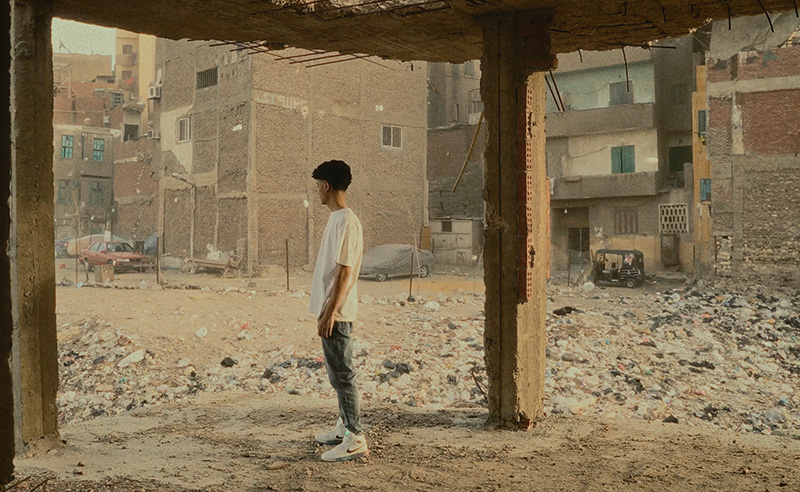
He isn’t interested in simple nostalgia or neat answers. Rather than resolve it, the film turns the question over from multiple angles, letting images, voices, and music circle it.
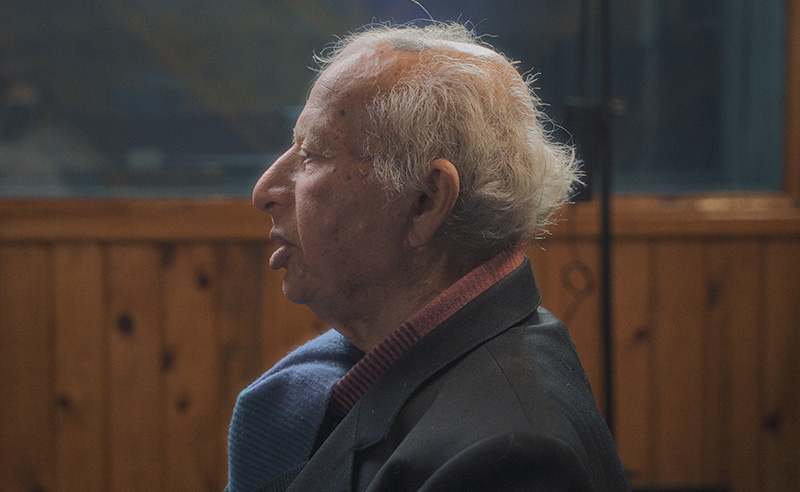
The structure unfolds like a research paper along three temporal lines. The present is Tarek himself: writing a book about his city, his memory, and his relationship with urban spaces. The future is embodied by musician Kareem Osama, who represents “the new generation of artists." The past appears through multiple characters - his previous French teacher, Miss Doaa; composer Hany Shenouda, whose work captured an earlier Egyptian rhythm; Mahraganat pioneer Alaa Fifty; and crime journalist Magdy Helmy, who links crime to population density, architecture, and environment. Together, they map how the city’s sound, ethics, and built environment have shifted through time.
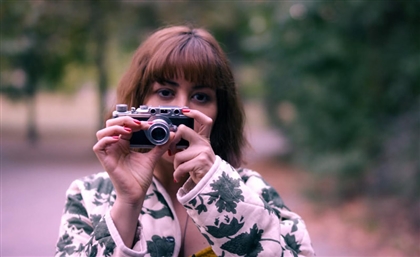
Visually, 'Umm El Donia' walks a tightrope between documentary and fiction. “There’s a fine line between recording a real scene and a staged cinematic shot,” Tarek says. He writes his own scenes, uses camera movements that belong to ‘fiction cinema’ or music videos, but keeps them anchored in real spaces and real people rather than sets. Over that, he layers documentary footage from the streets and interviews with Shenouda, Fifty, Helmy, and others. “In short, this film is a visual document,” he says. The idea is to immerse the viewer “as if you’re imagining what I’m seeing in my subconscious as I write these words” – a research paper you don’t read so much as inhabit.
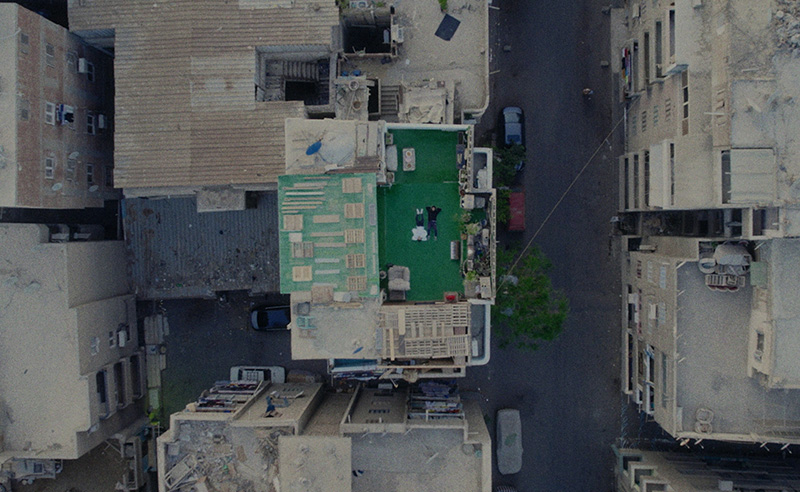
Music is the other language the film speaks in. Tarek’s background is as a singer, and he thinks in rhythm as much as in images. “Sometimes a melody haunts me, and it’s from this melody that I build the film’s rhythm,” he says. At other times, he starts with a question: should this world feel loud or poetic? Which instruments belong to this specific feeling or cityscape?For him, an environmental film about Egypt can’t just be about buildings and roads; it has to be about sound – from Shenouda’s scores to Mahraganat’s “loud, raw rhythm that expressed the chaotic pulse of life in informal areas.”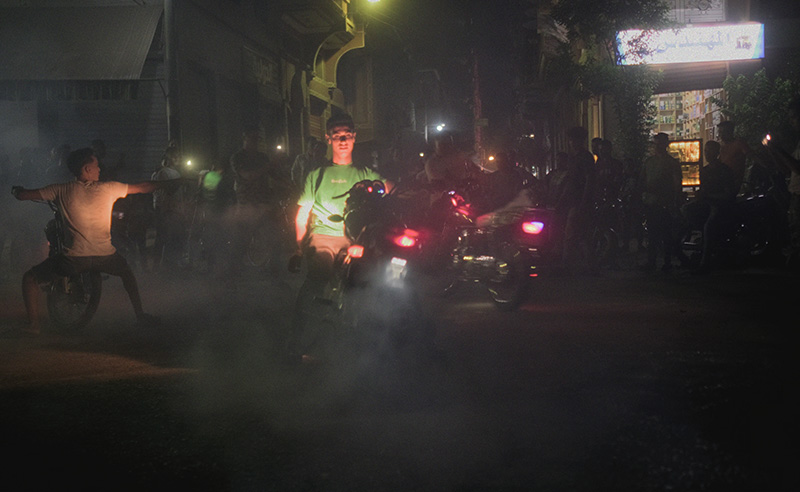 'Umm El Donia' ends not with a neat conclusion, but a question. Tarek and Kareem stand together on a rooftop, a small patch of green turf defiantly cutting through a city of concrete. Before that, the film invokes Ma’at, the ancient Egyptian principle of balance and justice, and asks: if we were judged today by Isis and Osiris, would we pass – as individuals, as institutions?