





Cannes 2026 Review: ‘Fatherland’ Uncovers the Cost of Greatness
Rather than romanticising genius, Pawlikowski is interested in the emotional cost that often accompanies it.

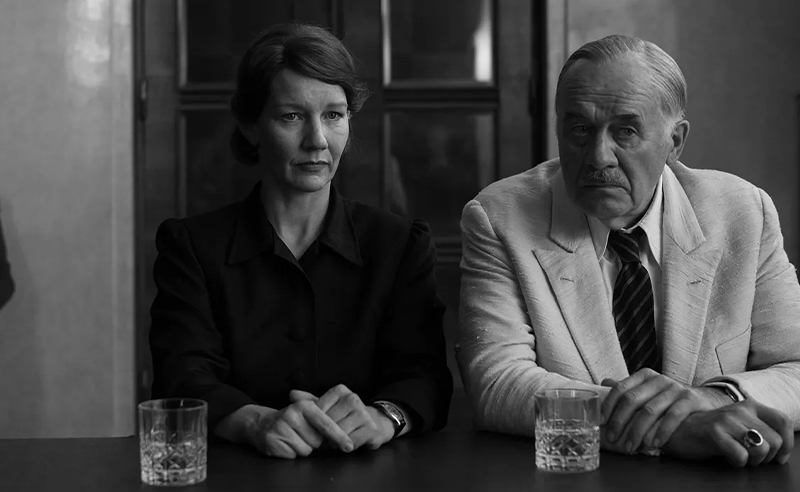
Polish filmmaker Paweł Pawlikowski has been making films for decades, but he truly rose to auteur status with his transition into black-and-white cinema. When I first saw ‘Ida’, I could hardly believe what I was watching. The precision of its compositions, the use of negative space, and the way characters seemed dwarfed by architecture felt revelatory. But it was ‘Cold War’ that completely floored me. Every frame felt sculpted with impossible precision. And the beauty of the imagery emerged from the emotional tension between the characters and the fractured political world surrounding them. It was no surprise that Pawlikowski walked away from the Cannes Film Festival with the Best Director prize. Few filmmakers today possess his ability to transform rural landscapes and dimly lit interiors into images that linger in the psyche like frames hanging on museum walls.
That same precision and emotional intelligence carry into his latest film, ‘Fatherland’, which stars perhaps the most highly regarded European actress of the last decade, Sandra Hüller. She plays the daughter of Thomas Mann, who is played by Hanns Zischler. Set in 1949, the film follows the two as they travel across post-war Europe. They carry with them the weight of exile and cultural dislocation. In the back of her mind is her brother Klaus, who seems to be struggling with severe depression. When an incident unravels, she confronts her father with memories of past neglect. There are moments throughout the film where Pawlikowski’s unmistakable touch emerges. You sense the quiet emotional undercurrents coming to the surface slowly but surely.
And yet, despite its many strengths, I could not help but feel that this is ultimately a minor work when placed beside ‘Ida’ and ‘Cold War’. That is not to say the film is unsuccessful. Far from it; a lesser Pawlikowski film still possesses more visual intelligence and emotional sophistication than most contemporary dramas. But where ‘Ida’ and ‘Cold War’ felt at once intimate and monumental, this film feels comparatively reserved in its emotional impact. It never quite reaches the devastating heights of those earlier masterpieces.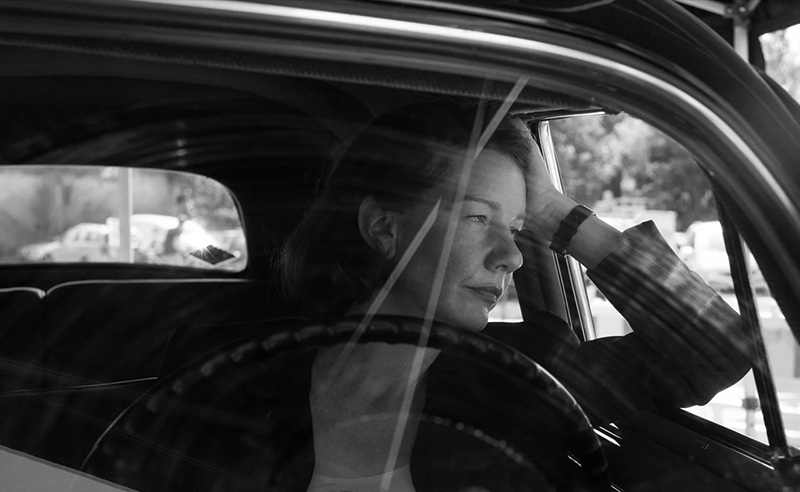 That said, the performances are excellent. This is particularly true when it comes to Hanns Zischler, who brings a masked fragility to Mann. Beneath the aura of intellectual prestige and cultural accomplishment lies a man haunted by failure. For all of Mann’s literary achievements, the film suggests that his greatest failure was far more intimate. Zischler captures this contradiction beautifully. It is in these moments of regret and emotional distance that the film becomes most affecting. The title ‘Fatherland’ evokes not only a nation, but also the idea of fatherhood itself. The film gradually reveals that Mann’s greatest crisis is not political or intellectual, but paternal.
I usually dislike biopics, but when you have Paweł Pawlikowski behind the camera, you can rest assured that he will deliver something far more thoughtful and emotionally complex than the genre often allows. Here, he approaches towering cultural figures not as untouchable icons, but as deeply vulnerable human beings. Rather than romanticising genius, Pawlikowski is interested in the emotional cost that often accompanies it. There is something profoundly moving about seeing figures who have long existed in literary memory rendered with such intimacy and fragility. In his hands, these characters are stripped of their grandiosity and become painfully human.
- Previous Article SceneNoise x Amsterdam Dance Event Present CROSSFADE: Egypt
- Next Article 3ala Mazag: Waleed El-Moghazy [Curated Playlist]
Related Articles
Trending This Week
-

-
 Oct 15, 2026
 -
-