






Dabbagh Architects Weave 8,000 Years of History Into Al Ain Museum
Dabbagh Architects restores and extends Al Ain Museum, weaving archaeology, heritage and contemporary design.

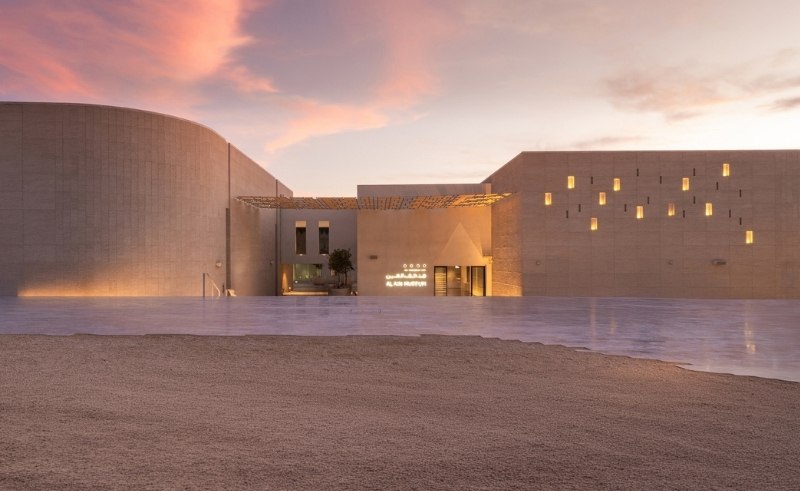
In Al Ain, beside the oasis and within the buffer of the UNESCO World Heritage Site, Dabbagh Architects has reimagined the UAE’s first museum. Commissioned in 2018 by the Department of Culture and Tourism Abu Dhabi, the project traces over 8,000 years of human activity, embedding archaeological discoveries and historic structures within a contemporary design framework.
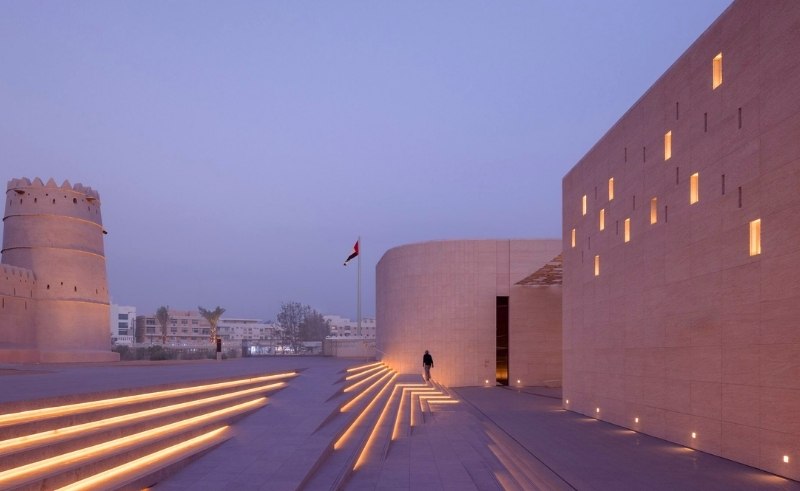
The site incorporates the Sultan Fort, built in 1910, and the Al Ain National Museum, founded in 1969. Early construction revealed aflaj, wells and a tomb, prompting a detailed archaeological survey and redesign. The museum now integrates historical fabric, archaeological landscape and new construction, treating the site as a vessel for cultural preservation.
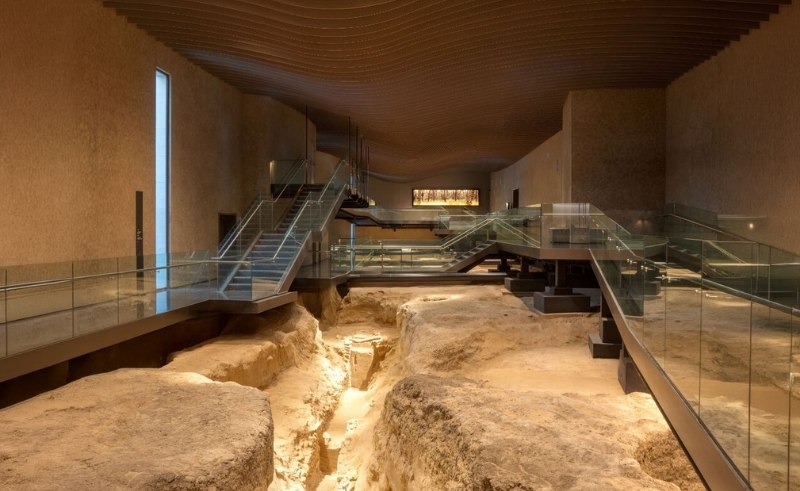
“The new building is woven around the archaeology and the existing structures, creating connections at multiple levels, between old and new, between the refurbished 1969 museum, the restored fort, and the new extension, and between built form and archaeology,” explains Sumaya Dabbagh. The architecture engages the site’s memory, articulating continuity through form and material.
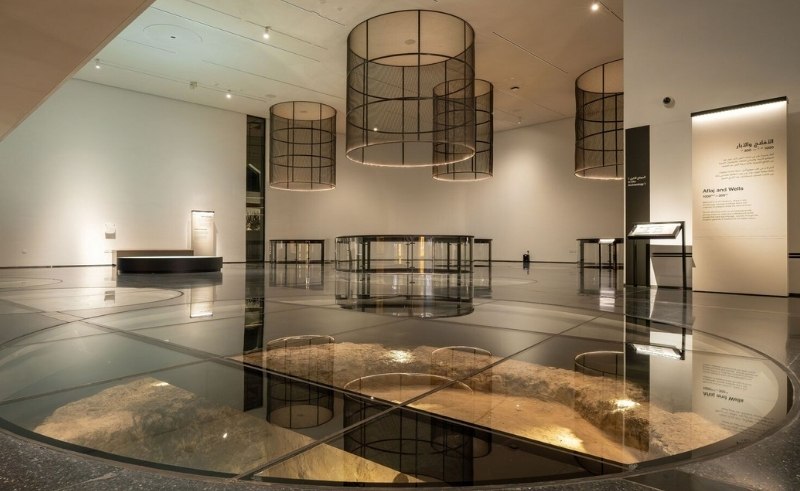
Archaeological galleries are clad in chiselled limestone, referencing the Sultan Fort, while other museum buildings adopt a crisp white finish nodding to the 1969 museum. Each gallery retains its own identity, yet a visual and spatial continuity links the entire site. The permanent gallery extends from the original museum, and support spaces including conservation laboratories, collection storage, and a research library wrap around the archaeology galleries to form a coherent circulation.
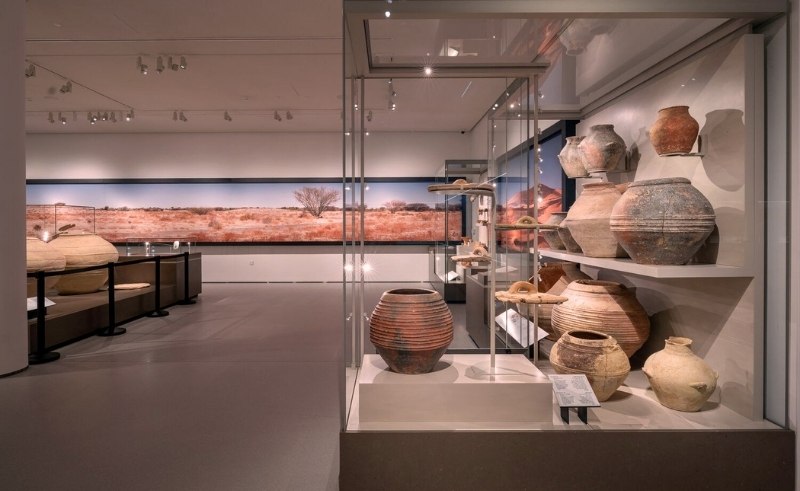
Visitors move through two complementary levels. The lower 'Archaeological Park Experience' immerses them in the textures and spatial qualities of the excavated features. The upper level offers a panoramic view of the archaeological landscape. Courtyards punctuate the exterior, introducing soft light into lower spaces and providing terraces and vantage points throughout the museum.
- Previous Article SceneNoise x Amsterdam Dance Event Present CROSSFADE: Egypt
- Next Article The Abandoned Architecture of Villa Badran by Gamal Bakry
Related Articles
Trending This Week
-
-
 Oct 15, 2026
 -

-