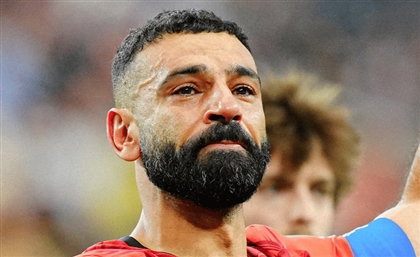






Fareed Kotb Captured the World Cup With a 1930 Film Camera
This is how a camera with 1934 World Cup history became the story of the 2026 tournament.

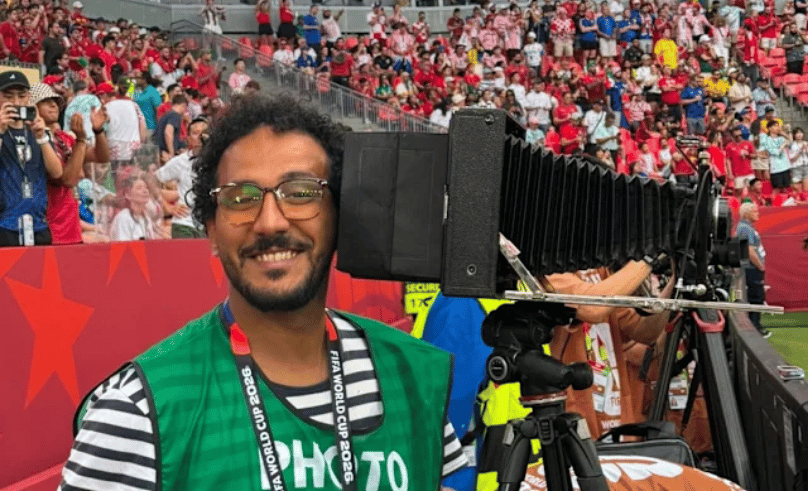
At a World Cup filled with cutting-edge technology, lightning-fast autofocus and photographers armed with the latest equipment, one camera stood out above them all. As it turned out, it was also the oldest.
Egyptian sports photographer Fareed Kotb arrived at the 2026 FIFA World Cup carrying a camera built in 1930 – the same year the tournament was first held.
Finding that camera became a story in itself. "During my search, I came across a vintage box that had been unopened for 20 years," Kotb tells SceneSports. "I opened it, and I struck gold."
Inside, the camera looked almost untouched. Alongside it were decades-old photographs and journals belonging to a sports photographer from the 1930s. "I couldn't believe it, it felt like fate. I finally found the perfect camera."
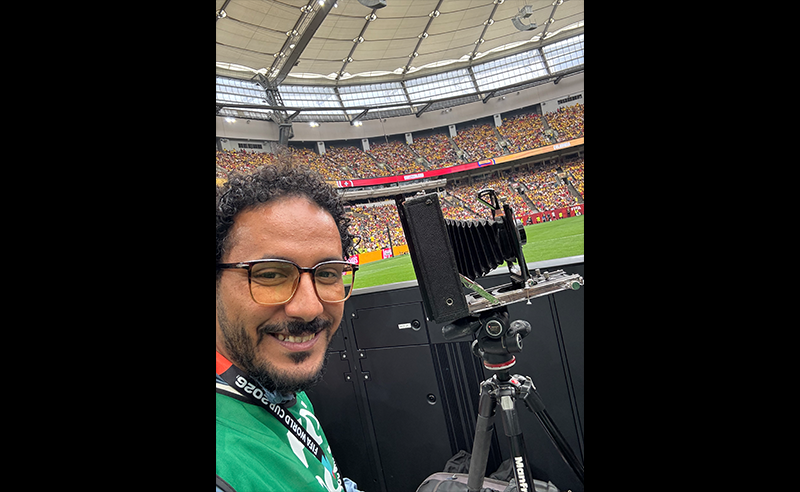 Kotb named the camera Romana, the Arabic word for pomegranate. For him, the name reflected the way the camera held countless memories, much like the seeds inside the fruit.
Those memories turned out to include football history. "To my shock, this tournament wasn't going to be Romana's first World Cup rodeo," he says. Among the contents of the box were photographs from Egypt's national team training camp before the 1934 FIFA World Cup, as well as an image of Helmy Zamora and Mahmoud El Tetsh together. "It completely blew my mind."
What began as a creative photography project soon became an attempt to reconnect football's past with its present.
Shooting the world's biggest sporting event on a 96-year-old camera came with obvious compromises. "A modern professional camera takes a photo in a fraction of a second, while Romana takes around two minutes for a single shot," Kotb explains. "I had to plan everything carefully and rely on a bit of luck."
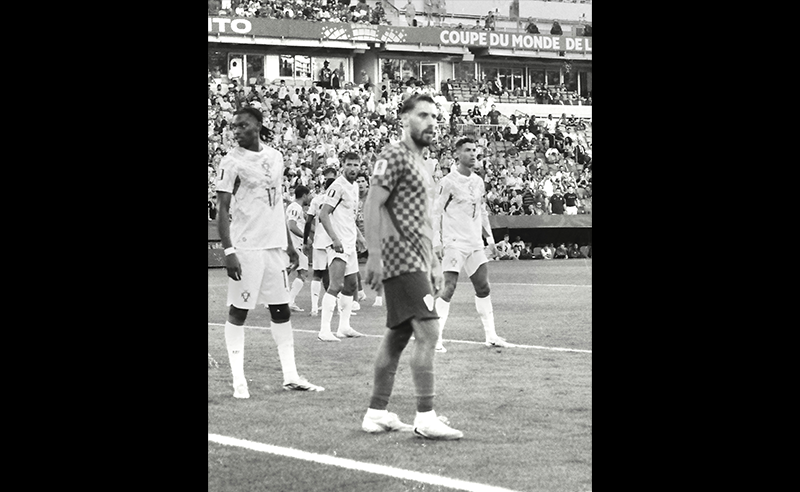 The gamble paid off. "The photographers went crazy when they saw the camera and just kept taking pictures with it," he says. "I went viral overnight. On Threads, people started looking for me, and just like that, my account grew from zero to 50,000 followers." The project quickly attracted international attention, leading to interviews with outlets including CNN and BBC.
Romana may have made Kotb a viral sensation, but his career began a decade earlier. "My first-ever match was Al Masry vs. Al Ahly in the Egyptian Premier League in 2016, back when Hossam Hassan was Al Masry's manager," he recalls. "That's when I got hooked."
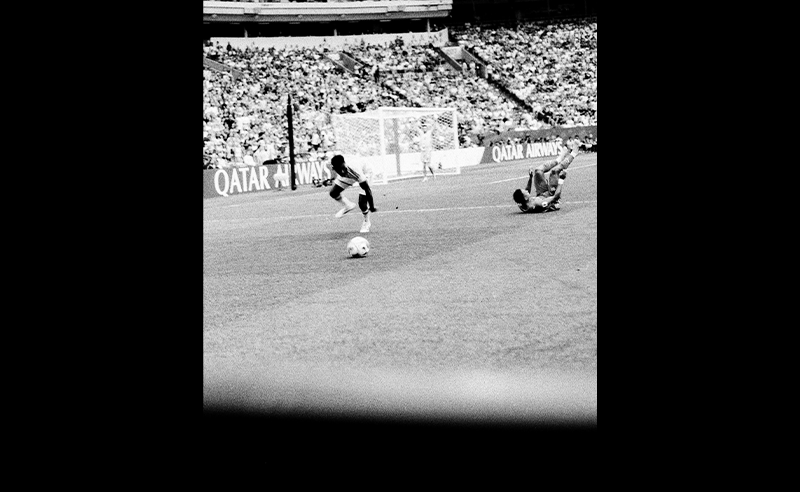 That first assignment led to the Africa Cup of Nations, then the 2018 FIFA World Cup. Since then, Kotb has photographed three World Cups, every AFCON since 2017, the UEFA European Championship and the Paris Olympics. "What a journey it has been."
Despite building an archive of around 700,000 images, he still struggles to choose a favourite. "I could never pick one," he says. "But one that really blew my mind was Ayoub El Kaabi's bicycle kick at AFCON 2025. It was later recreated in Morocco's drone show."
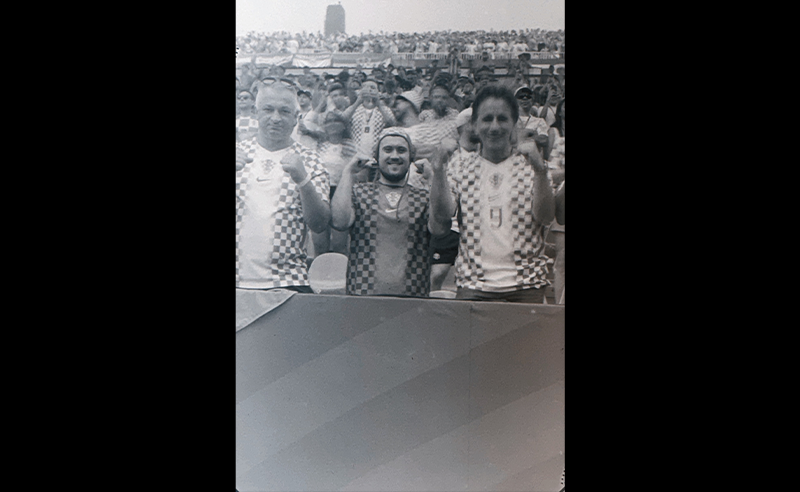 For Kotb, photography has always been about preserving moments that outlive the final whistle, a philosophy that explains his fascination with archival photography.
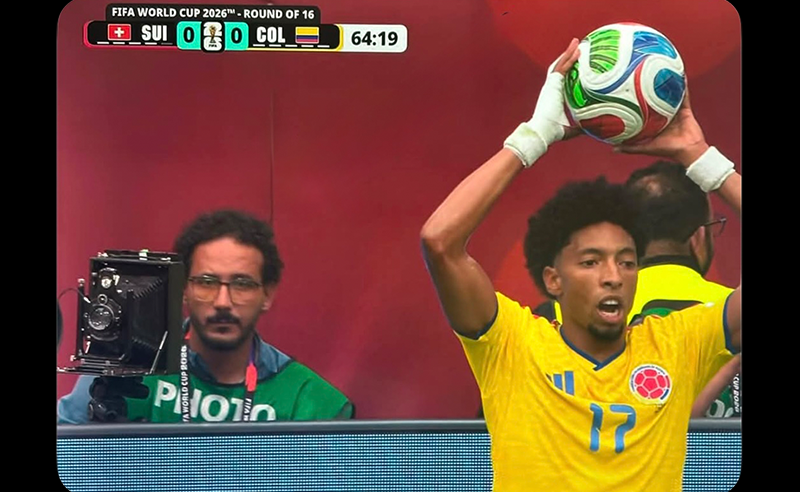 Romana's story, meanwhile, is still unfolding. What began as an idea for a short documentary has grown into a larger project tracing the camera's history, uncovering its original owner and returning it to football's biggest stage nearly a century after it first captured the game.