






This Centuries-Old Saudi Village Was Once a Giant Living Honeycomb
Long before honey became a wellness trend, Saudi Arabia’s mountain communities were building entire systems around it.

Long before honey became a luxury wellness ingredient squeezed into glass jars and sold beside matcha powders, it was survival. And in Saudi Arabia’s mountain regions, where beekeeping was more than just a niche craft or countryside hobby, entire villages were designed around it.
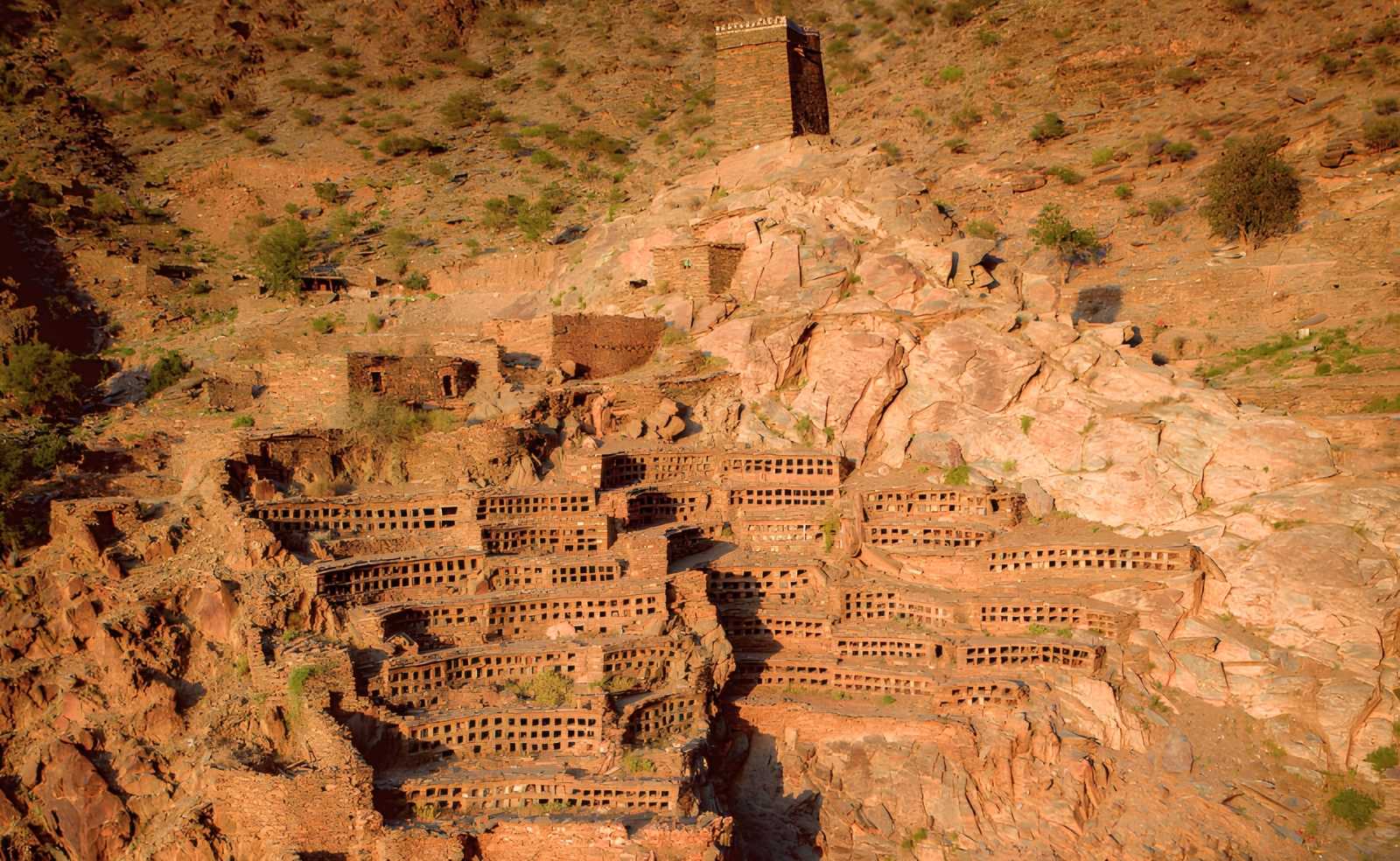
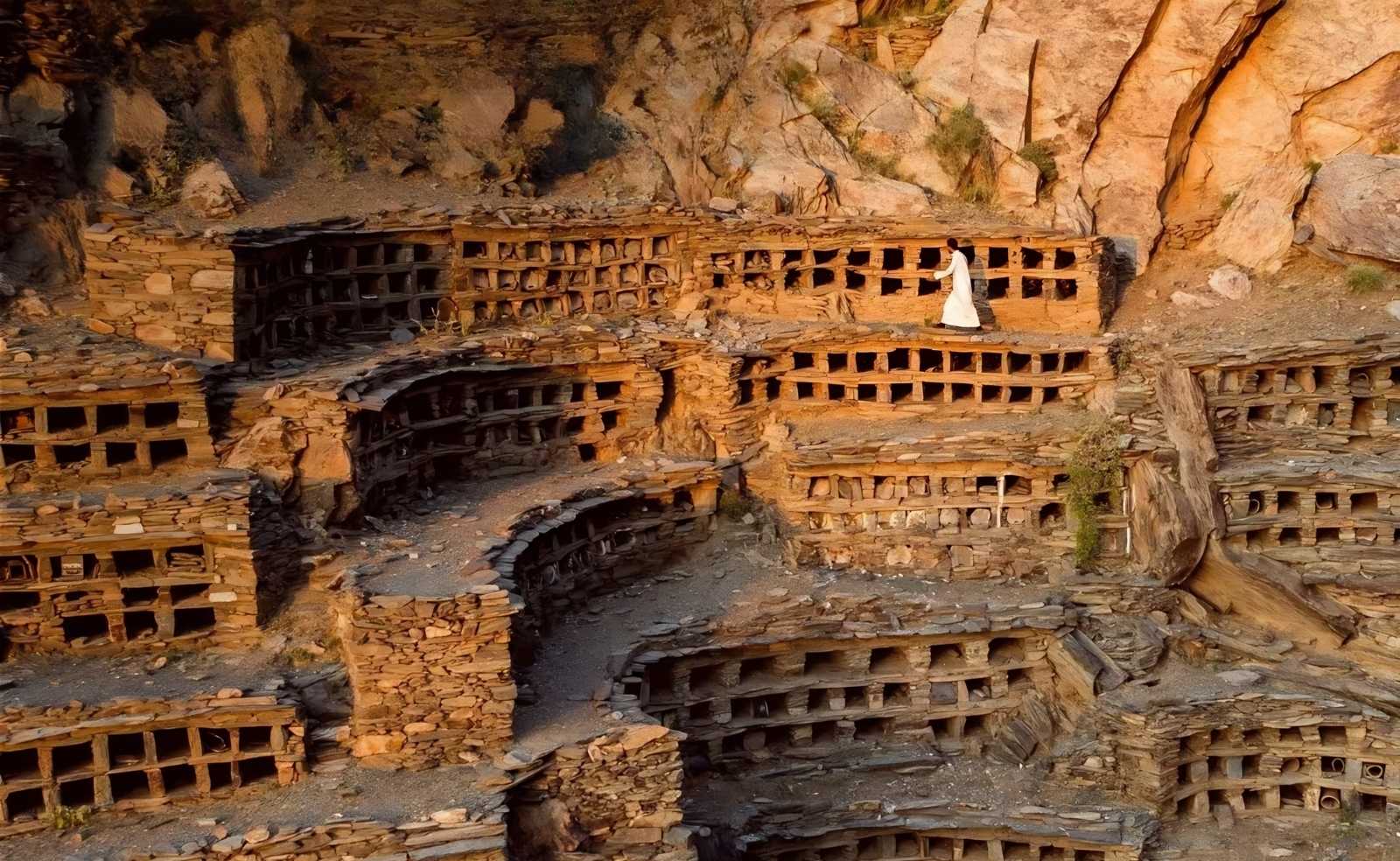
Al Kharfi Beekeepers Village, hidden deep in the mountains of Maysan around 100 kilometers south of Taif, still carries the architecture of that reality. Built directly into the mountainside, the abandoned stone village contains roughly 1,300 carved beehive niches embedded into its walls, stacked across multiple levels like ancient honeycomb folded into rock.
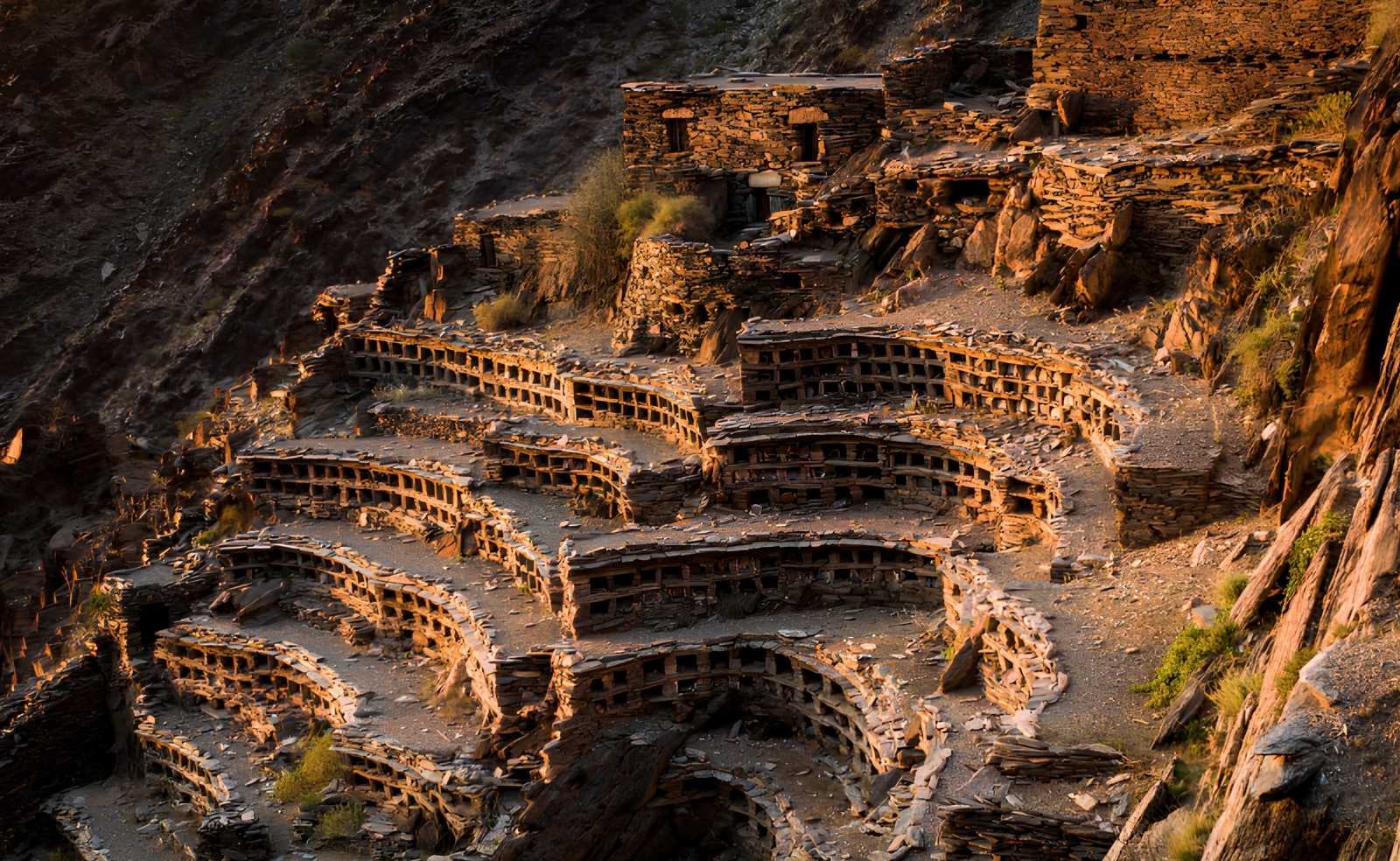 At first glance, the site almost looks unreal. The stone structures rise unevenly against the mountain, with tiny geometric openings puncturing the walls in repetitive patterns. But these weren’t decorative details, they were functioning hives.
Historically, honey held economic, medicinal, and even spiritual significance across the Arabian Peninsula. Sidr honey in particular—produced from the nectar of Sidr trees that grow across southwestern Saudi Arabia and Yemen—became one of the region’s most prized products, valued for both taste and healing properties. In mountainous areas like Asir, Al Baha, Taif, and Maysan, generations of beekeepers developed entire systems around seasonal flowering patterns, rain cycles, and migratory bee movements long before sustainability became a modern talking point.
At first glance, the site almost looks unreal. The stone structures rise unevenly against the mountain, with tiny geometric openings puncturing the walls in repetitive patterns. But these weren’t decorative details, they were functioning hives.
Historically, honey held economic, medicinal, and even spiritual significance across the Arabian Peninsula. Sidr honey in particular—produced from the nectar of Sidr trees that grow across southwestern Saudi Arabia and Yemen—became one of the region’s most prized products, valued for both taste and healing properties. In mountainous areas like Asir, Al Baha, Taif, and Maysan, generations of beekeepers developed entire systems around seasonal flowering patterns, rain cycles, and migratory bee movements long before sustainability became a modern talking point.
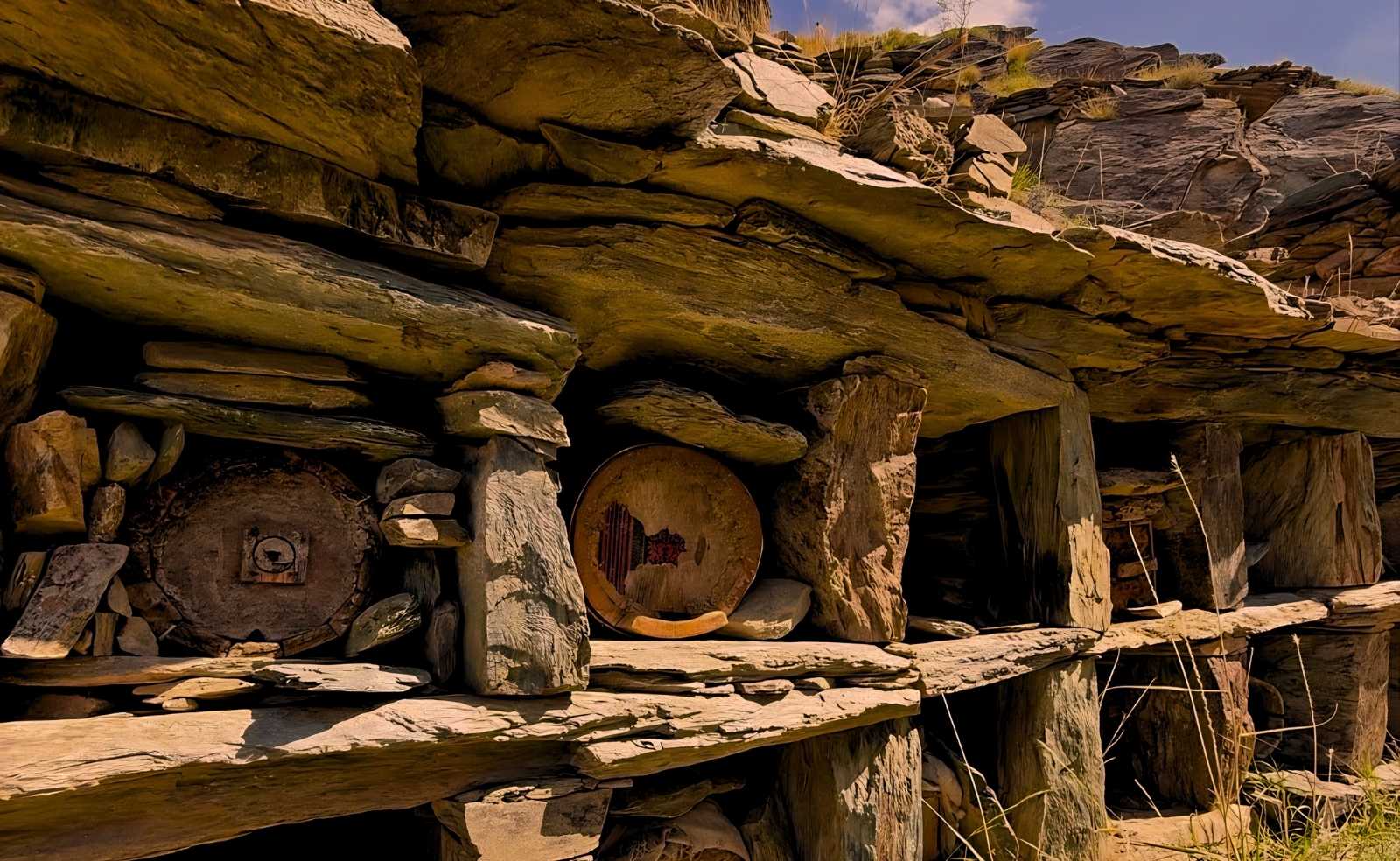 Al Kharfi emerged from that ecosystem. Its location was shaped by necessity: cooler mountain air, seasonal rain, wild flora, and natural protection for bee colonies. Even its vertical structure carried function. Staggered stone homes allowed for resilience against heavy rain while maximizing hive storage, with beehives placed as high as the fourth floor, where harvesting demanded both precision and risk.
 But like many agricultural systems across the region, the village eventually collided with environmental change. Water scarcity, declining vegetation, and the loss of flowering cycles slowly made honey production unsustainable. Residents left, and the village shifted from working infrastructure into archaeological memory.
Today, the village sits quiet against the mountain, its carved niches still repeating across the stone, holding on to a way of life that has already moved on.
But like many agricultural systems across the region, the village eventually collided with environmental change. Water scarcity, declining vegetation, and the loss of flowering cycles slowly made honey production unsustainable. Residents left, and the village shifted from working infrastructure into archaeological memory.
Today, the village sits quiet against the mountain, its carved niches still repeating across the stone, holding on to a way of life that has already moved on.
- Previous Article SceneNoise x Amsterdam Dance Event Present CROSSFADE: Egypt
- Next Article New Dubai Law Expands Social Services & Welfare Support