



Styled Archives: MENA Figures in Their Tiara Era
From Egyptian royalty to Miss Universe, these MENA women knew exactly what to put on their heads.
For centuries, tiaras and crowns have done more than complete an outfit. Across the MENA region, they have marked royal weddings, coronations, beauty pageants and some of the most memorable performances in the region’s visual history. From the Egyptian royal family’s extraordinary Van Cleef & Arpels jewels to the crowns worn by Arab beauty queens, these headpieces have carried their own kind of symbolism, instantly turning an entrance into an occasion.
This edition of Styled Archives looks back at some of the region’s most unforgettable crown moments. Some belonged to actual royalty, some to queens of the pageant stage, and one to Sherihan, who proved that a crown did not need a palace to make an impression.
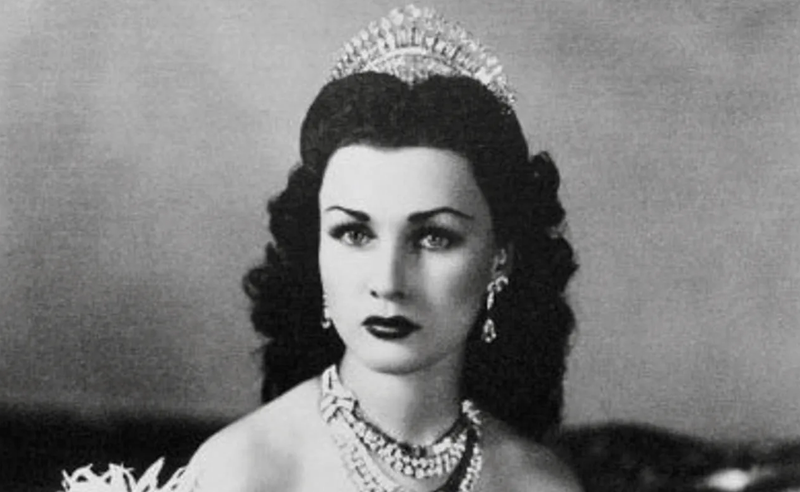
Princess Fawzia of Egypt | 1939
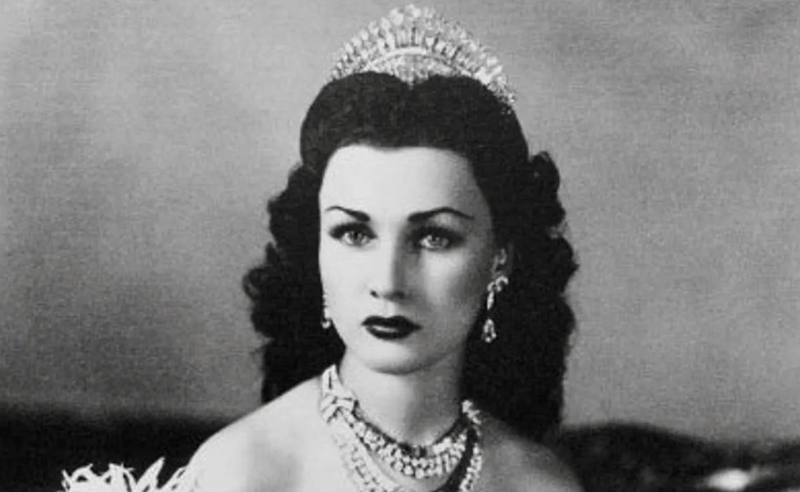
For the wedding that briefly united the Egyptian and Iranian royal families, Princess Fawzia of Egypt wore one of the 20th century’s most spectacular royal jewel sets. Created by Van Cleef & Arpels in 1938, the Art Deco parure centred around a platinum tiara featuring 54 upright pear-shaped diamonds above 530 baguette-cut diamonds, totalling 164 carats. Fawzia wore the suite during her lavish wedding celebrations in Cairo and Tehran. After her marriage ended, she retained the jewels as personal property. The parure has since disappeared from public view, and its current whereabouts remain unknown.
Queen Farida of Egypt | 1940
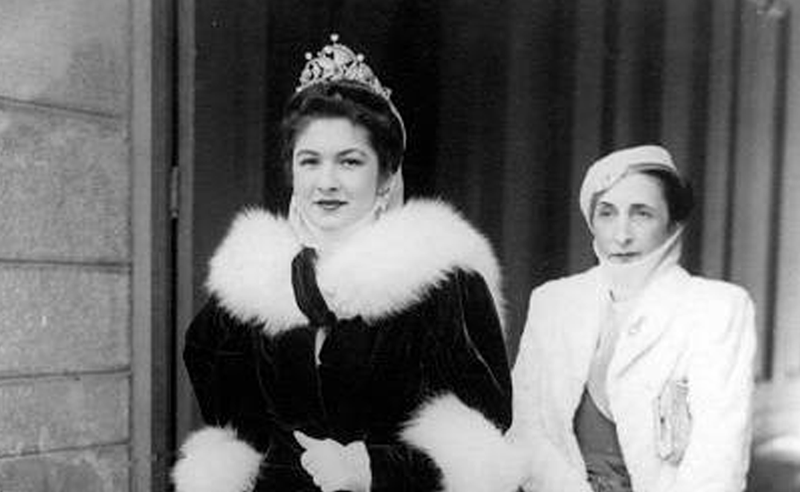
Queen Farida’s Art Deco Floral Tiara was every bit as romantic as its name suggests. Made in platinum and gold and pavé-set with white and yellow diamonds, the piece is composed of five graduated floral motifs, with the largest flower positioned at the centre. The tiara was likely created by Van Cleef & Arpels around the time Safinaz Zulficar married King Farouk in 1938 and became Queen Farida, giving the young queen a suitably dazzling royal accessory.
Miss Universe Georgina Rizk | 1971
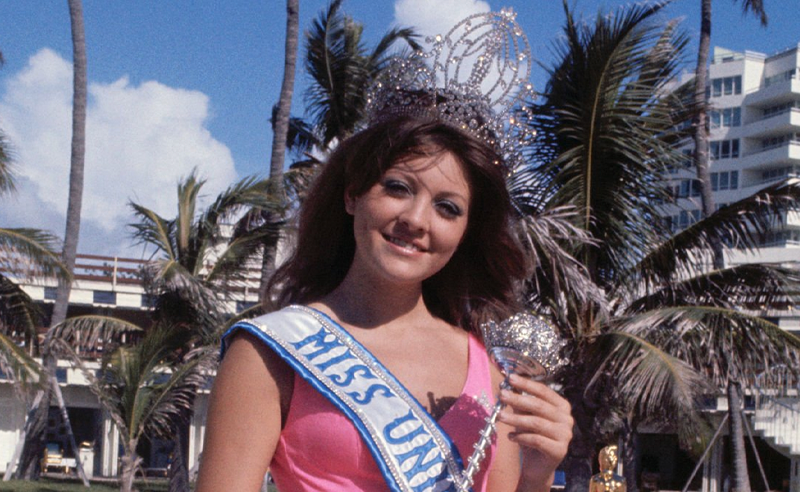
In 1971, Georgina Rizk became the first and, to date, only woman from the Middle East to win the Miss Universe title. The Lebanese beauty queen was crowned in Miami after first winning Miss Lebanon in 1970, becoming an instant regional icon. Pictured with her crown, cup and bouquet, Rizk’s winning moment remains one of the most significant beauty-pageant images to come out of the region.
Sherihan | 1985
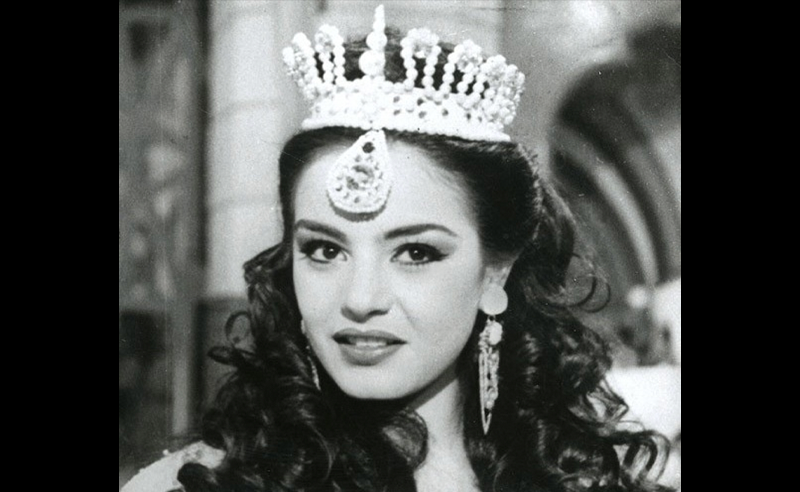
Sherihan has never needed a royal title to look the part. During the 1985 'Fawazeer Al Layla w’Layla', the Egyptian actress and performer appeared in an elaborate crown featuring a dramatic dangling front piece, perfectly suited to the theatrical world of Ramadan’s most beloved variety shows. It was the kind of headpiece that could only belong to Sherihan: extravagant, playful and designed to move with the performance.
Princess Lalla Hasna of Morocco | 1994
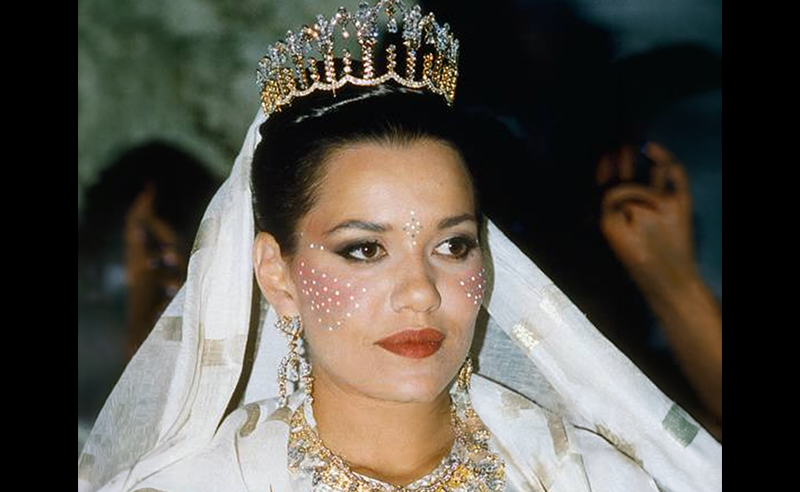
For her wedding in 1994, Princess Lalla Hasna of Morocco received a spectacular diamond tiara from her father, King Hassan II. Created by Parisian jewellery house Chaumet, the Diamond Arch Tiara rises into a dramatic architectural silhouette, with its diamond-set arches creating a distinctly regal profile. Given as a wedding gift, it remains one of the most recognisable pieces associated with Morocco’s royal jewellery collection.
Queen Rania Al Abdullah of Jordan | 1999
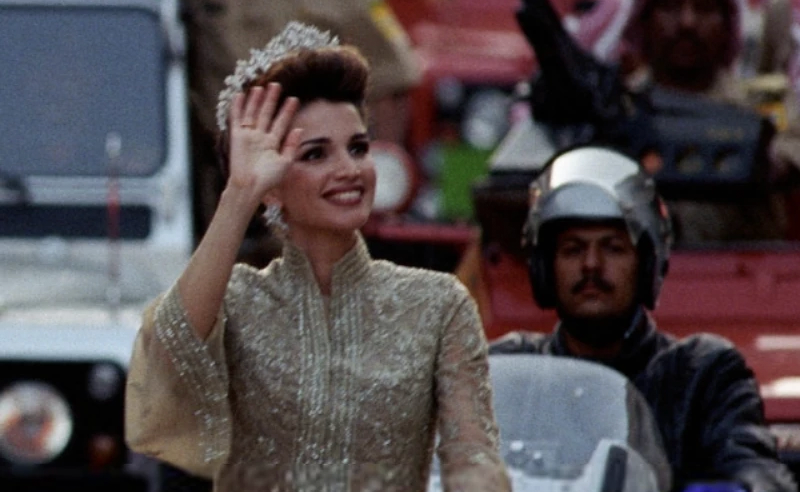
For the celebrations surrounding King Abdullah II’s accession to the Jordanian throne, Queen Rania appeared in a gold Elie Saab gown topped with the Cartier tiara associated with Queen Alia. The pairing was pure royal glamour, with the intricate tiara adding a historic jewel to an otherwise strikingly modern silhouette. Years later, Rania would return to the same Elie Saab gown to mark the anniversary of the King’s accession, proving the look had more than one royal life.
Nadine Njeim | 2004
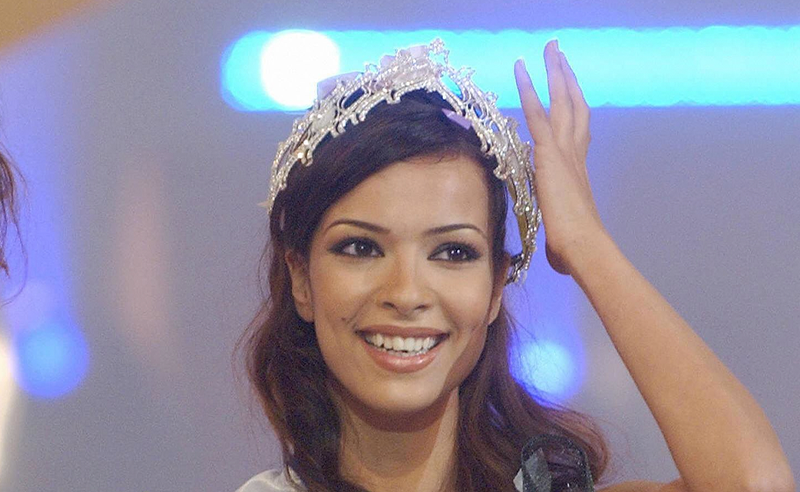
Before she became one of Lebanon’s most recognisable actresses, Nadine Njeim was crowned Miss Lebanon in 2004. The pageant that year took a reality-TV-inspired format, with 16 contestants living together and viewers voting throughout the competition. Njeim ultimately took the title, beating Lamita Franjieh and Cynthia Saade, and celebrated the win with the unmistakable Miss Lebanon crown.
- Previous Article Select 402: Mixed by KEENA
- Next Article Registration Opens for Saudi Youth to Join 2026 World Robot Olympiad